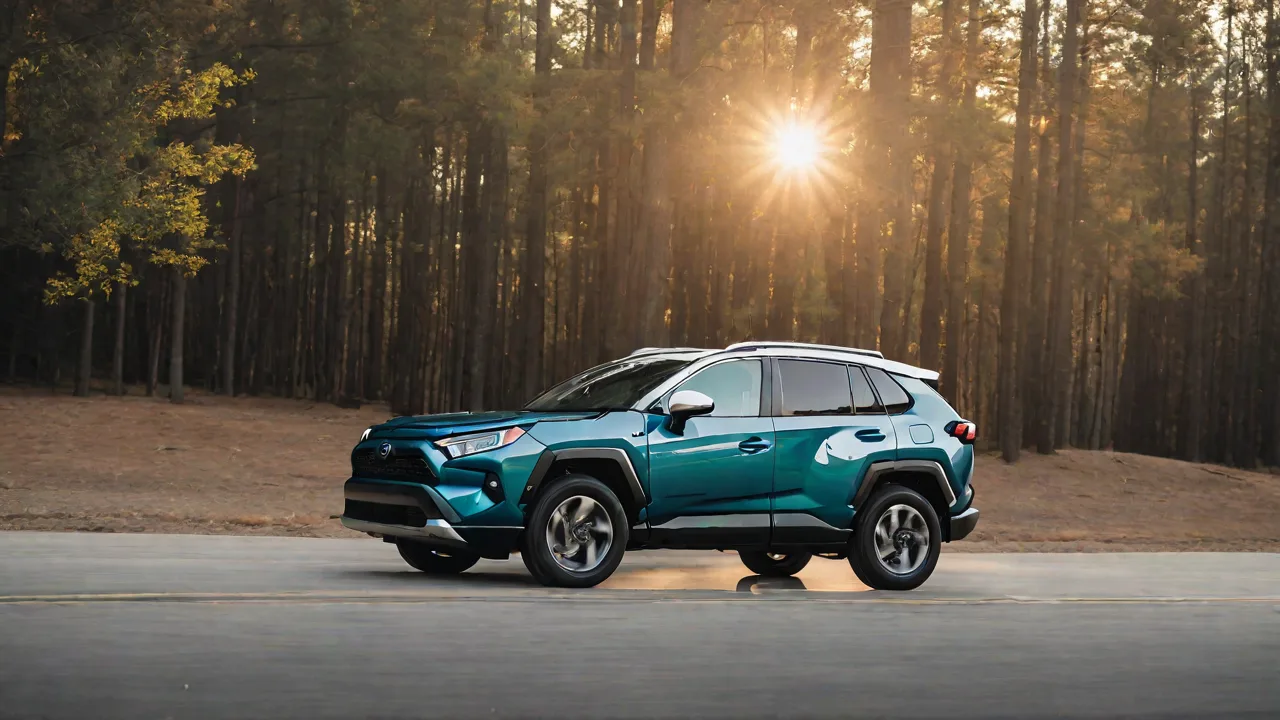
Best Tips for Maintaining a Used Rav4’s Resale Value Over Time
Owning a used Toyota RAV4 is a smart financial move, but maximizing its resale value when the time comes requires a strategic, year-round approach to care and maintenance. The RAV4’s reputation for reliability gives it a naturally strong resale position, yet small neglects can erode thousands of dollars from its market worth. Whether you drive a fifth-generation adventure trim or a clean older model, you can directly influence how much a dealer or private buyer is willing to pay by focusing on mechanical stewardship, appearance preservation, and market awareness. This guide breaks down proven, actionable methods to help your used RAV4 command top dollar long after the odometer has turned tens of thousands of miles.
Commit to a Proactive Maintenance Routine
Nothing tanks resale value faster than a neglected powertrain. The RAV4’s long-term durability hinges on methodical, on-time maintenance. Sticking to the schedule outlined in your owner’s manual isn’t just about avoiding breakdowns; it’s about building a verifiable history that prospective buyers trust. Service intervals for oil changes, coolant flushes, transmission fluid replacements, spark plugs, and timing chain inspections vary by model year and engine type—gas-only vs. hybrid—so always consult the official Toyota maintenance guide for your specific vehicle.
Use synthetic oil and OEM filters whenever possible. The RAV4 engine, particularly the 2.5-liter four-cylinder found in most recent generations, thrives on consistent lubrication. Brake fluid absorbs moisture over time and should be flushed every two to three years, regardless of mileage. Coolant system care is equally critical; old, acidic coolant can corrode the radiator and heater core, leading to expensive repairs that appear on vehicle history reports as red flags. For hybrid models, battery health checks are a must—annual testing of the hybrid battery pack’s state of charge and cooling fan operation demonstrates extra diligence.
Stick to Factory-Recommended Parts and Fluids
When you deviate from genuine Toyota parts, you risk reduced system compatibility and perceived corner-cutting by savvy buyers. Original equipment brake pads, air filters, and fluids signal that you prioritized quality. At trade-in or private sale, a thick folder of Toyota-branded parts receipts speaks volumes. If a mechanic suggests an aftermarket alternative for cost savings, weigh the short-term discount against the long-term resale penalty. For critical components like the water pump or alternator, factory replacements are non-negotiable if you want to maintain top resale value.
Document Every Oil Change and Service Visit
A well-organized service history transforms your used RAV4 from “just another listing” into a trustworthy purchase. Buyers are willing to pay more for a vehicle with a transparent past because they perceive lower risk. Keep physical records in a binder arranged by date, and consider digitizing them. Free platforms like Carfax Car Care let you upload maintenance entries and photos of receipts, creating a shareable vehicle profile that shows potential buyers you’ve been meticulous. Even handwritten notes from independent shops count if they include the date, mileage, services performed, and VIN.
Make a habit of recording every tire rotation, alignment, battery replacement, and recall repair. When the RAV4 reaches the 60,000- or 100,000-mile mark, major services such as transmission fluid exchange or differential oil replacement become key proof points. Highlight these big-ticket items in your documentation, as they often serve as negotiation leverage. A buyer who sees that the transmission was serviced at 59,847 miles is less likely to haggle over imagined mechanical risks.
Leverage Dealership Service for Maximum Credibility
While independent mechanics can perform excellent work, dealership service records are universally accepted as trustworthy. Many Toyota dealers enter service information into a centralized database that can be pulled up at any national location. Combined with a clean Carfax report, this builds a powerful narrative of careful ownership. If you do use an indie shop, keep the invoice and note the shop’s name and certification (ASE, for instance) so you can present a credible professional trail.
Drive Smoothly to Reduce Wear and Tear
Your driving style directly impacts the longevity of the RAV4’s drivetrain, suspension, and brakes. Aggressive acceleration from a standstill strains the engine and continuously variable transmission (CVT), while hard braking wears pads and rotors prematurely. Smooth, measured inputs not only improve fuel economy but also minimize micro-damage to bushings, mounts, and joints. Over five years, the difference between a gentle driver and an assertive one can be a vehicle that feels tight and new versus one that shudders over bumps and clunks during deceleration—a distinction buyers will notice on a test drive.
Anticipate Traffic and Road Conditions
Defensive driving isn’t just a safety measure; it’s a resale strategy. Keeping distance from the car ahead allows you to coast to a stop rather than slam the brakes, reducing heat and wear. Avoid potholes and rough terrain that can knock your alignment out of spec and stress suspension components. The RAV4’s available all-wheel-drive system is robust, but constant jerky inputs can accelerate wear on the rear differential and couplers. By treating your vehicle with mechanical empathy, you ensure that the steering, braking, and acceleration feel factory-fresh when it’s time to hand over the keys.
Protect the Exterior Like an Investment
Paint condition is one of the first things a buyer assesses, often subconsciously. Sun-faded clear coat, stone chips, and parking lot scuffs suggest a vehicle that hasn’t been cherished. Regular hand washing with a pH-neutral car shampoo, followed by a coat of quality wax or synthetic sealant, creates a barrier against UV radiation, acid rain, and bug residues. Park under covered parking structures, or at minimum, use a reflective windshield sunshade to keep interior materials from baking. Even the RAV4’s rugged-looking matte black trim benefits from UV protectant sprays that prevent graying.
Address Paint Chips and Minor Dents Immediately
Small stone chips on the hood or doors expose bare metal to moisture and oxygen, leading to rust that spreads under the paint. Touch-up paint pens matched to your Toyota color code are inexpensive tools that halt corrosion before it starts. For door dings, modern paintless dent repair (PDR) can restore a panel without affecting the factory finish, typically for under $150. These fixes pay for themselves many times over when a buyer sees a smooth, unblemished surface. If you live in a region with harsh winters, apply a wax-based undercoating annually to guard against salt-induced frame rust—a serious value killer.
Maintain the Cabin’s Fresh, Well-Kept Appeal
Interior condition heavily influences the emotional decision to purchase. A RAV4 that still smells clean and shows no signs of heavy wear can command a premium, especially among families. Invest in high-quality all-weather floor mats; they catch mud, snow, and spilled coffee, preserving the carpet underneath. Use fitted seat covers for the first row if your daily commute involves messy gear, and remove them for photography only when selling. Regularly vacuum the seats and cargo area to remove abrasive dirt particles that accelerate fabric wear.
Protect Against UV Damage and Odors
Dashboards and leather seats are vulnerable to cracking and fading from direct sunlight. A custom-fit dash cover or consistent use of a windshield sunshade pays dividends. Condition leather seats every three months with a product free of greasy silicones, which can leave a sheen that buyers mistake for heavy wear. For fabric interiors, steam cleaning once a year removes embedded allergens and stubborn odors. Never smoke inside the vehicle; the smell is nearly impossible to fully erase and will eliminate a large portion of your buyer pool. If pets ride along, use a rear seat hammock and vent covers to contain hair and scratches.
Make Tire Care a Priority
Tires are the only contact point between your RAV4 and the road, and their condition speaks directly to safety and maintenance commitment. Uneven wear patterns hint at neglected alignments, while bald treads scream deferred investment. Check air pressure monthly with a reliable gauge—not just the dash display—and inflate to the pressure listed on the driver’s door jamb sticker. Rotate tires every 5,000 to 7,500 miles, aligning with oil change intervals for convenience. When tread depth reaches 4/32 of an inch, it’s time to start shopping; selling a vehicle with nearly spent rubber invites lowball offers or safety-minded walk-aways.
Choose Replacement Tires Wisely
When replacements are necessary, stick with well-known brands that match or exceed the OEM specifications. All-season touring tires suit most RAV4s, but if your model has adventure-oriented trims, consider all-terrain tires that complement the vehicle’s character without introducing excessive road noise. Avoid the temptation of cheap off-brand rubber—savvy buyers check tire sidewalls and will deduct value for no-name brands. Keep proof of alignment and new tire purchases to show that you didn’t cut corners. Websites like NHTSA’s tire safety page offer guidance on tread depth and aging, reinforcing the importance of this often-overlooked resale factor.
Stay Informed About Market Value and Depreciation Trends
Resale value isn’t static; it shifts with fuel prices, new model releases, and seasonal demand. Check your RAV4’s estimated value quarterly on Kelley Blue Book and Edmunds to understand how your trim level, options, and region affect pricing. For example, all-wheel-drive RAV4s often command higher prices in snowy climates as winter approaches, while Hybrid models may see a spring bump when fuel prices rise. Knowledge of these patterns helps you time your sale for maximum return.
Understand the Depreciation Sweet Spot
The RAV4 tends to lose value steeply in the first three years, then levels off, making a 5- to 7-year-old well-maintained example an attractive buy. If you purchased used, you likely bought after the steepest depreciation curve. Holding the vehicle during years of gradual value loss while keeping it in top shape can yield a sale price that recoups much of your original outlay. Monitor your mileage carefully: crossing the 100,000-mile threshold can trigger a drop in buyer confidence, so consider selling a few thousand miles before that milestone to avoid the psychological price barrier. Keep an eye on local listings sites like AutoTrader to see what comparable RAV4s are actually transacting for, not just what dealers are asking.
Additional Factors That Boost Long-Term Value
Beyond the daily habits and scheduled services, certain decisions can preserve or even elevate your RAV4’s worth. Avoid modifications that personalize the vehicle to your taste but alienate mainstream buyers. Lifted suspensions, loud exhausts, and aftermarket infotainment systems may seem like upgrades to you, but they signal potential warranty issues and mechanical alterations that scare lenders and conservative shoppers. Instead, if you want to enhance capability, choose factory-backed TRD parts or Toyota-approved accessories that can actually add value.
Manage Accident History and Recalls
Undisclosed damage is the fastest route to a diminished selling price. If your RAV4 is involved in a fender bender, have it repaired at a reputable body shop, and keep all estimates and final invoices. Demonstrate that proper procedures were followed, including paint matching and structural alignment. Buyers will scrutinize a Carfax report for “moderate” or “severe” damage flags; a thorough repair file can alleviate their concerns. Equally, address all open recalls before listing the vehicle. An uncompleted recall suggests neglect. Check NHTSA’s recall database using your VIN and have the work performed at your Toyota dealer, then add the documentation to your service history.
Preserve the Original Window Sticker and Manuals
Keeping the original window sticker, owner’s manual portfolio, and even the cargo cover and key fobs adds a layer of originality that collectors and meticulous buyers appreciate. Store them in a safe, dry place. When you present the vehicle for sale, laying out these items alongside your service binder reinforces the message of a careful, responsible previous ownership—often translating directly into a higher offer.
Preparing for the Sale Day
When you decide to sell, invest a small amount in detailing and minor reconditioning. A professional exterior detail with clay bar treatment and machine polish can make a 7-year-old RAV4 look nearly new, costing a few hundred dollars but recouping several times that at sale. Replace worn wiper blades, fix loose trim clips, and top off all fluids. Remove personal decals and phone mounts cleanly. Capture high-quality photos in good lighting, and highlight your maintenance records in the listing. Price it fairly using the market data you’ve gathered, and be prepared to patiently explain the care you’ve invested. A confident seller who can demonstrate a well-documented, gently used vehicle usually sells faster and at a better price.
Every mile you drive your RAV4 is an opportunity to preserve or erode its future value. Through consistent maintenance, careful driving habits, cosmetic vigilance, and market awareness, you transform your everyday vehicle into a sought-after commodity that returns cash when you’re ready to upgrade. The effort you put in today directly shapes the final number you write on the bill of sale tomorrow.