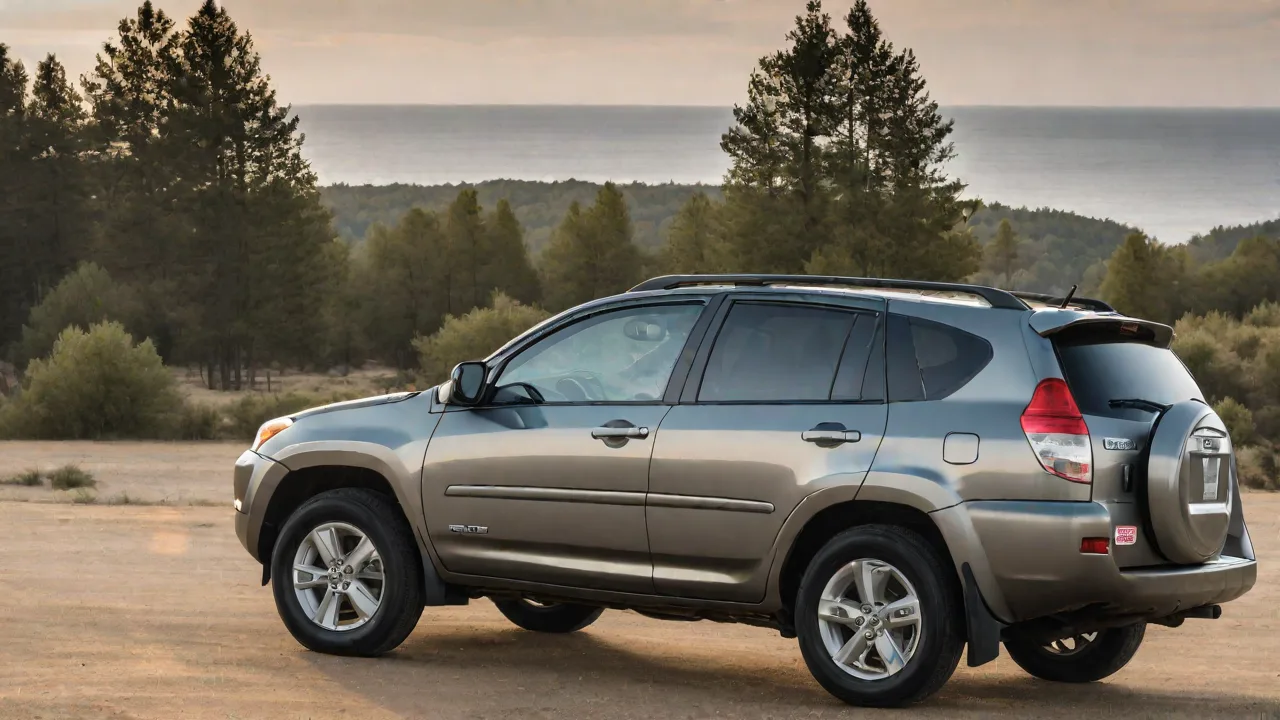
How to Read and Understand the Used Rav4 Vehicle History Report
When shopping for a pre-owned Toyota RAV4, the vehicle history report is one of the most powerful tools you can use to avoid hidden problems and overpaying. A clean exterior and a smooth test drive can easily mask a troubled past, from major collision repairs to odometer tampering. This guide will walk you through every section of a used RAV4 vehicle history report, show you what to look for, and explain how to use that information to make a confident, financially sound purchase.
What Is a Vehicle History Report and Why It Matters for a Used RAV4
A vehicle history report aggregates data from insurance companies, auto auctions, state motor vehicle agencies, repair facilities, and other sources into a single document. For the Toyota RAV4—consistently one of America’s best-selling SUVs—this report does more than list accidents: it helps you evaluate whether the vehicle’s past matches its current condition and price.
Toyota’s reputation for reliability means many RAV4s rack up high mileage with minimal issues. However, that same popularity can attract owners who neglect maintenance or cover up damage to maximize resale value. A comprehensive report from services like Carfax or AutoCheck gives you an objective timeline of events, helping you spot flood damage, undisclosed salvage titles, and skipped recalls before you sign the paperwork.
Because the RAV4 uses a unibody construction rather than a body-on-frame design, even moderate structural damage can compromise long-term safety and alignment. The vehicle history report is your first line of defense against buying a vehicle that has been cosmetically repaired but structurally weakened. It also provides a bargaining tool: if the report shows a moderate accident or an open recall, you can use that information to negotiate a lower price or require repairs.
How to Obtain a Comprehensive Vehicle History Report for a Toyota RAV4
Start by locating the 17-character Vehicle Identification Number (VIN). On a RAV4, you can find it on the dashboard near the base of the windshield on the driver’s side, on a sticker inside the driver’s door jamb, or on the vehicle’s title and registration documents. Many sellers include a free Carfax or AutoCheck report in the online listing, but always double-check that the VIN on the report matches the VIN on the actual vehicle—typos or intentional swaps can occur.
If the seller doesn’t provide a report, you can purchase one directly from Carfax, AutoCheck, or even through some credit unions and insurance companies that offer discounted reports. While Carfax is widely recognized for its user-friendly interface and detailed service records, AutoCheck’s strength lies in its scoring system and auction data, which can surface issues like frame damage from wholesale auctions. For a few extra dollars, consider running both reports; they sometimes pull from different data sources, and one might reveal what the other misses.
For Toyota-specific information, create a free account on the Toyota Owner’s website and enter the VIN. This will show you the original window sticker (which lists factory options and MSRP), service history performed at Toyota dealerships, and the status of any recall campaigns. While not a substitute for a full vehicle history report, this manufacturer-level data adds valuable context for used RAV4s, especially if you want to confirm that previous owners used OEM parts or kept up with Toyota’s recommended service schedule.
Breaking Down the Report: Key Sections to Scrutinize
A vehicle history report can run several pages. Knowing which sections carry the most weight for the RAV4 will save you time and help you zero in on deal-breakers. Below, we unpack each major category.
Ownership History and Title Brands
The ownership timeline tells you whether the RAV4 was a one-owner trade-in, a former rental, or a vehicle that changed hands every year. One or two owners over a five-to-seven-year span is typical and often suggests responsible stewardship. However, if you see four or more owners in a short period, ask why. Frequent ownership changes can indicate persistent mechanical problems or a vehicle that was passed around among family members without proper documentation—both potential red flags.
Pay close attention to the type of owner. A vehicle listed as fleet or rental may have seen hard use and inconsistent maintenance. Many rental RAV4s are base LE models with minimal options, and while Toyota durability often absorbs the abuse, you should never pay a premium for an ex-rental unit. On the other hand, a vehicle designated as personal or lease often follows a more predictable maintenance pattern.
Title brands are non-negotiable items that dramatically affect value and insurability. Look for these specific terms:
- Clean title: No major damage or theft history reported. This is what you want.
- Salvage title: The vehicle was declared a total loss by an insurance company. Salvage RAV4s can be repaired and returned to the road, but they are worth far less and may be difficult to insure.
- Rebuilt title: A former salvage vehicle that passed a state inspection. While cheaper, the quality of repairs varies wildly, and hidden structural issues are common.
- Flood damage: Water intrusion can ruin electronics, engine internals, and airbag systems. Even a clean-looking flood RAV4 can develop chronic electrical gremlins.
- Lemon law buyback: Manufacturer repurchased the vehicle due to persistent defects. This is rare on a RAV4 but should be avoided unless you have full documentation of the exact repair and a steep discount.
Accident and Damage Records
The accident section is often the most scrutinized, but not all collisions are equal. A minor fender bender with only cosmetic damage, documented with a police report and professional repair, is far less concerning than a major side-impact that deployed airbags. Look for details like airbag deployment, structural/frame damage reported, or vehicle towed. Any of those suggest a high-energy event that may have compromised the RAV4’s unibody integrity.
Pay attention to the area of impact. A rear-end collision that was properly repaired may leave no lasting effects, but a front-end hit at high speed can affect the engine cradle, radiator support, and even the transmission. Since the RAV4 uses a transverse-mounted engine, severe front damage can cascade into expensive repairs that may not be done to factory spec. Whenever an accident is reported, use it as a cue to have a trusted mechanic measure the chassis alignment and check for weld seams that look different from the factory.
Service and Maintenance History
Consistent maintenance records are the clearest sign of a well-kept RAV4. The vehicle history report often logs oil changes, tire rotations, brake services, and fluid flushes when performed at reporting shops. A RAV4 that received oil changes every 5,000 to 7,500 miles and had the transmission fluid exchanged around 60,000 miles is a strong candidate. Gaps in service records, on the other hand, suggest neglect that could shorten engine and transmission life.
For model years 2019 and newer, many RAV4s come with ToyotaCare, a complimentary maintenance plan covering the first two years or 25,000 miles. Check that those early services were completed at the proper intervals. If the vehicle is still within its powertrain warranty (5 years/60,000 miles for most Toyotas), missing service records could potentially complicate a warranty claim later. A complete maintenance history also boosts resale value when you decide to sell, so it pays to buy one that has been well documented.
Odometer Readings and Rollback Detection
Each time the vehicle changes hands, goes through a state inspection, or is serviced, the odometer reading is recorded. The report will display a chronological list of these readings. A gradual, linear increase in mileage is normal. Sharp drops from one reading to the next, or a reading that is lower than a previous one, are strong indicators of odometer tampering or a clerical error that needs investigation.
While odometer fraud is less common on modern vehicles with digital dashboards, it still happens. Cross-reference the odometer on the dashboard with the report and the vehicle’s overall wear. A RAV4 showing 50,000 miles on the clock but with a severely worn driver’s seat, pedal rubber, and steering wheel likely has more miles than advertised. Any discrepancy is a valid reason to walk away or demand a substantial price reduction.
Recall Information and Manufacturer Campaigns
Toyota has issued numerous recalls for the RAV4 over the years, covering everything from suspension components to airbag inflators. The vehicle history report will list whether a specific recall was performed on the VIN you are researching, but it’s always wise to verify through the NHTSA recall database or Toyota’s official owner portal. Some recalls, like the Takata airbag inflator recall, are safety-critical and must be completed before you buy.
For the 2019–2021 RAV4, common recalls include issues with the fuel pump, engine cooling system, and front suspension lower arm. An open recall doesn’t necessarily condemn the vehicle; in many cases, a Toyota dealership will perform the repair at no charge. However, an owner who ignored multiple recall notices may have neglected other aspects of care. Always ask the seller for documentation that all recalls have been addressed, or schedule the repair yourself and factor it into your offer.
Theft and Vandalism History
A vehicle listed as stolen and then recovered can carry hidden baggage. While the report may show “recovered theft” without an accident, the car might have been driven hard, stripped of parts, or left exposed to the elements. Some insurance companies will brand a recovered theft vehicle as salvage, even if no crash damage occurred. Run the VIN through the free NICB VINCheck service to see if it has ever been reported as stolen or declared a total loss. A clean NICB check plus a clear title gives you confidence that the RAV4 hasn’t been through a major theft event.
Structural Damage and Frame Issues
Structural damage refers to any harm to the vehicle’s unibody or frame that goes beyond cosmetic panels. For the RAV4, this is a serious matter because the unibody is designed to absorb and distribute crash energy in a very specific way. If a repair shop straightened a bent unibody rail without following Toyota’s procedures, the vehicle may not protect occupants as intended in a future collision. A report that notes structural damage or frame damage reported should immediately prompt a pre-purchase inspection by a body shop that specializes in unibody repair. In many cases, it is safest to avoid such a vehicle altogether.
How to Interpret the Data and Spot Red Flags
Once you have all the facts, you need to weigh them against the RAV4’s age, mileage, and asking price. A ten-year-old RAV4 with one minor accident and a complete service history can still be a great value, especially if the damage was cosmetic and professionally repaired. But a pattern of problems signals a vehicle that may cost you more in the long run.
Major red flags include:
- Multiple accidents with airbag deployment or frame damage.
- A salvage or rebuilt title, unless the price is drastically below market and you’ve had a trusted shop approve the repairs.
- Odometer inconsistencies that cannot be explained.
- Ownership history as a rental or fleet vehicle with spotty maintenance.
- Gaps of several years with no service records at all.
- Open safety recalls, especially on essential systems like airbags or brakes.
Positive signs to look for:
- One or two private owners with a clean title.
- Service records that align with Toyota’s recommended intervals, including transmission fluid changes and differential services on all-wheel-drive models.
- No accidents or only minor, low-speed incidents that didn’t trigger airbag deployment.
- All recalls completed and documented.
- Consistent, plausible odometer readings that match the vehicle’s overall condition.
Cross-Referencing the Report with a Physical Inspection and Test Drive
A vehicle history report is an informational tool, not a guarantee. After reviewing it, you must put your own eyes and hands on the RAV4. Bring a copy of the report to the inspection and use it as a checklist. If the report shows a front-end collision, look for uneven panel gaps around the hood and fenders, paint overspray on rubber trim, and bolts that show signs of being turned. Check that the headlight assemblies match in age and cloudiness; a new light on one side often indicates a front-end repair.
During the test drive, listen for noises that might stem from unresolved damage: a clunking suspension over bumps could mean a poorly repaired strut tower, while a shimmy at highway speed may point to a bent control arm or frame misalignment. Pay attention to the steering wheel’s centering—if it’s off, an alignment issue might be masking deeper damage. Take the RAV4 to an independent mechanic or a body shop with frame-measuring equipment for a thorough assessment, especially if any structural damage was reported. The cost of this inspection, usually $100 to $200, is cheap insurance against buying a compromised vehicle.
Using the Vehicle History Report to Negotiate the Best Price
Every blemish on the report can translate into a lower purchase price. If the RAV4 has a minor accident on record, you can reasonably argue that its resale value is permanently reduced, even if the repair was flawless. Use online valuation tools like Kelley Blue Book to find the fair purchase price for a clean example, then deduct accordingly. A vehicle with a moderate accident might be worth 5-10% less; a rebuilt title can knock 20-40% off the clean retail value, depending on the market.
Open recalls and missing service records also give you leverage. Estimate the cost of bringing the maintenance up to date—new fluids, a complete tune-up, recall repairs—and present that as a deduction from the asking price. Sellers who are serious about moving the vehicle will often agree to a reduction or perform the necessary work before the sale. Always get agreements in writing, and never rely solely on a seller’s promise to fix something later.
Additional Resources and Tools for Used RAV4 Buyers
While the vehicle history report is the centerpiece, these complementary resources help you build a full picture of the RAV4 you are considering:
- Carfax – Detailed reports with service entries and accident timelines.
- AutoCheck – Auction data and a unique score that benchmarks the vehicle against similar models.
- NHTSA Recalls – Official federal database to cross-check recall status.
- Toyota Recall Lookup – VIN-specific recall and service campaign information direct from the manufacturer.
- NICB VINCheck – Free theft and total loss check.
- Kelley Blue Book – Pricing guidance to help you gauge a fair deal based on condition and history.
Putting It All Together: Buying with Confidence
Reading and understanding a used RAV4 vehicle history report isn’t about finding a perfect vehicle—it’s about uncovering the truth and using that knowledge to make a sound financial decision. A late-model RAV4 with a single minor accident, a full service history, and all recalls closed can still deliver years of reliable service, often at a discount compared to a never-damaged example. Conversely, a vehicle with a clean exterior but a hidden salvage title or rolled-back odometer can become a money pit overnight.
Take your time with the report. Print it out, highlight any concerns, and ask the seller pointed questions. Combine the document’s insights with a professional inspection and a thorough test drive. When all three align, you can drive away knowing you’ve done your due diligence. The used car market is competitive, but the buyer who reads the fine print is the one who wins.