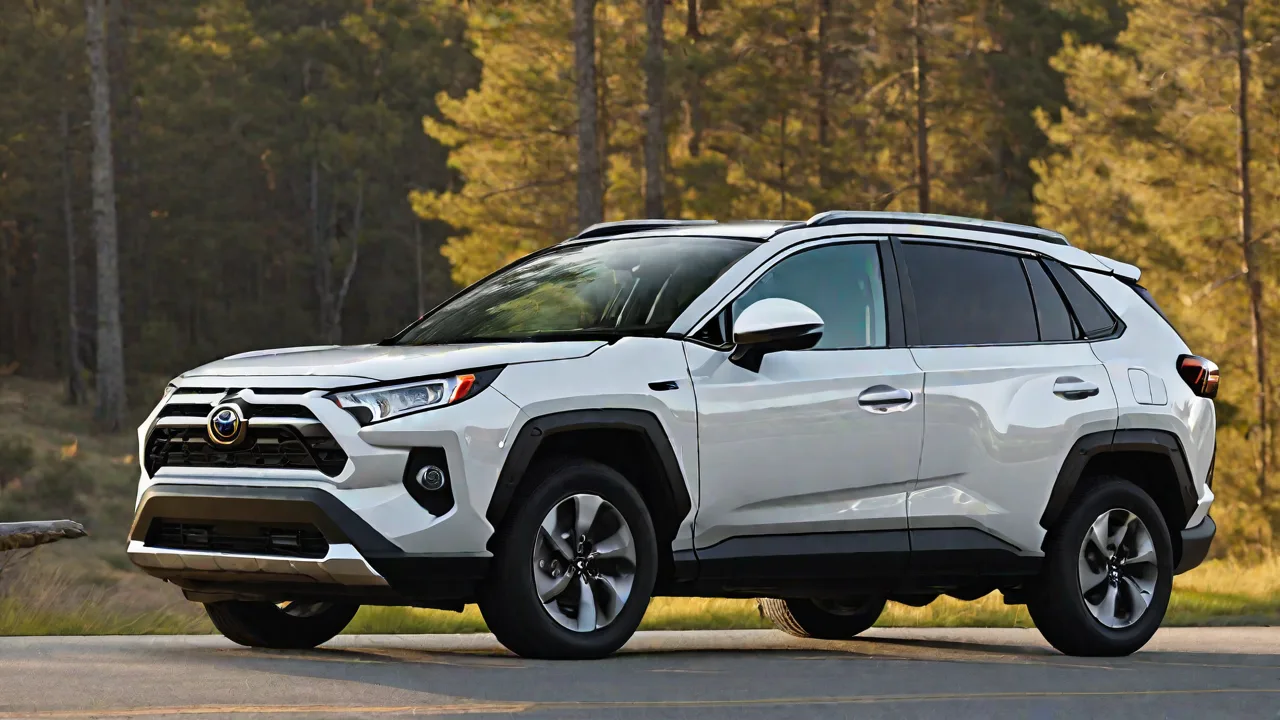
How to Determine the Right Model Year of Used Rav4 for Your Needs
The Legacy and Popularity of the Toyota RAV4
The Toyota RAV4 has been a trailblazer in the compact SUV segment for decades. Since its debut, it has evolved through multiple generations, consistently offering a blend of versatility, fuel efficiency, and reliability. When shopping for a used RAV4, the model year is far more than just a number—it represents a snapshot of engineering, safety standards, and interior technology. A well‑chosen model year can reward you with years of trouble‑free driving, while a hasty pick might saddle you with known issues or outdated features. This guide will walk you through the critical factors, generational shifts, and model‑year‑specific insights you need to confidently select a used RAV4 that fits your life.
Understanding the Toyota RAV4 Generations
Before zooming in on individual model years, it’s helpful to understand the four generations that have shaped the modern used market. Each generation introduced drastic changes in platform, powertrain, and safety equipment.
First Generation (XA10; 1994–2000)
The original RAV4 was a tiny, playful SUV built on a modified car platform. It was available in three‑door and five‑door body styles, with either front‑wheel drive or all‑wheel drive. These early models are now mostly collector’s items and not recommended as daily drivers unless you’re seeking a project car. Parts availability and rust can be concerns.
Second Generation (XA20; 2001–2005)
The second‑gen RAV4 grew slightly in size and refinement. A more powerful 2.0‑liter engine became standard, along with a smoother automatic transmission. This generation established the RAV4’s reputation for practicality, but it still lacks modern side‑impact protection and electronic stability control in earlier years. A 2004 refresh brought subtle styling changes and a new 2.4‑liter engine option.
Third Generation (XA30; 2006–2012)
This is a pivotal generation for budget‑minded used buyers. The XA30 abandoned the rear‑mounted spare tire on most configurations, moving to a more conventional crossover silhouette. It introduced a V6 engine option that turned the RAV4 into a surprisingly quick and capable tow vehicle. A 2009 mid‑cycle refresh added a standard 2.5‑liter four‑cylinder and optional third‑row seating. Models after 2009 generally benefit from improved safety structures and standard stability control.
Fourth Generation (XA40; 2013–2018)
The fourth generation represented a leap forward in refinement, fuel economy, and interior quality. It lost the V6 option but gained a more efficient 2.5‑liter four‑cylinder and an available hybrid powertrain starting in 2016. This generation introduced Toyota Safety Sense as standard on many trims beginning in 2017, dramatically raising the bar for active safety. The XA40 is the sweet spot for many used buyers today—modern enough to feel current, yet affordable due to depreciation.
Fifth Generation (XA50; 2019–present)
The current generation, launched for 2019, adopted an aggressive, truck‑inspired design and moved to the Toyota New Global Architecture (TNGA‑K). It delivers a more engaging driving experience, a vastly upgraded interior, and a class‑leading hybrid powertrain. Every 2019 and newer model includes Toyota Safety Sense 2.0, covering pre‑collision braking with pedestrian detection, lane departure alert with steering assist, automatic high beams, and adaptive cruise control. These models are still depreciating, so a used 2019–2021 can offer exceptional value with only a few years of use.
Key Considerations When Choosing a Model Year
Vehicle shopping is personal, so it’s crucial to weigh your priorities before fixating on a specific year. Ask yourself which blend of cost, features, and expected longevity aligns with your needs.
Safety and Driver‑Assistance Technology
If protecting your family is non‑negotiable, you’ll want a model year that includes a comprehensive active safety suite. In earlier generations, side airbags and stability control were optional or absent. Starting with the 2017 RAV4, Toyota began rolling out Toyota Safety Sense (TSS) as standard equipment on most trims. This package includes lane departure warning, pre‑collision system, and adaptive cruise control. The 2019 redesign upgraded to TSS 2.0, adding lane tracing assist and road sign recognition. For the highest passive safety scores, look for models from 2015 onward, when the Insurance Institute for Highway Safety (IIHS) awarded the RAV4 a Top Safety Pick+ rating.
Infotainment and Connectivity
Daily commuters may prioritize Apple CarPlay and Android Auto integration. Surprisingly, many late‑model RAV4s didn’t offer this feature until 2019 for CarPlay and 2020 for Android Auto on most trims. Older models use Toyota’s Entune system, which can feel dated and lacks smartphone mirroring. If aftermarket upgrades are acceptable, an earlier, less expensive model with a basic head unit could be swapped for a modern touchscreen. Otherwise, aim for a 2020 or newer RAV4 to get full smartphone integration from the factory.
Fuel Economy and Drive Configuration
Front‑wheel‑drive models typically deliver the best fuel economy, but all‑wheel drive is desirable in snowy climates. The 2016–2018 hybrid models achieve up to 34 mpg city / 30 mpg highway, a significant jump over the non‑hybrid’s 24/31. The 2019 hybrid improved further, with EPA estimates of 41 city / 38 highway. If fuel savings are a priority, a used hybrid RAV4 will pay dividends at the pump and often commands a modest premium up front.
Budget and Depreciation
A brand‑new RAV4 loses a sizable portion of its value in the first three years. Buying a 2016–2018 model can yield substantial savings while still netting a modern, safe vehicle. Older third‑generation models (2006–2012) are extremely affordable but come with higher mileage and possibly aging components. Balance the purchase price against expected maintenance costs over your intended ownership period.
Detailed Model Year Breakdown: 2013 to 2021
The most active slice of the used market spans the fourth and fifth generations. Let’s examine how each year stands out.
2013–2015 RAV4 (Fourth Generation, Pre‑Refresh)
These years introduced the fourth‑gen’s sharpened styling and a more spacious interior. The standard 2.5‑liter four‑cylinder produces 176 horsepower, paired with a six‑speed automatic. All‑wheel drive is available, but the system sends power rearward only when slip is detected—a reactive, not proactive, setup. While reliable, these early XA40 models lack many of the advanced safety features that later became standard. You’ll often need to step up to the Limited trim to get blind‑spot monitoring and rear cross‑traffic alert. The 2013 model was the first year of the redesign, so some very early builds may have minor teething issues, but overall dependability ratings are excellent.
2016 RAV4 (Mid‑Cycle Refresh)
The 2016 refresh brought a wave of meaningful updates. Exterior styling was sharpened, interior materials improved, and sound deadening increased for a quieter cabin. Toyota also introduced the RAV4 Hybrid for the first time, pairing a 2.5‑liter Atkinson‑cycle engine with an electric motor for 194 combined horsepower and exemplary fuel economy. The hybrid uses an electronic on‑demand all‑wheel‑drive system that powers the rear wheels via a separate electric motor—a more responsive and efficient setup than the mechanical AWD in gas models. If you’re considering a used hybrid, 2016 is a great starting year, but verify that the battery health is solid and that any open recalls (such as those related to the hybrid system) have been addressed. This year also marked the debut of Toyota Safety Sense on certain trims, so check the specific vehicle’s window sticker if these features are important to you.
2017–2018 RAV4
These are arguably the most balanced years for value and equipment. Toyota made Toyota Safety Sense standard on nearly all trims, so you’ll find lane departure alert, automatic high beams, adaptive cruise control, and pre‑collision system even on base LE models. A new SE trim added sport‑tuned suspension and sportier appearance bits. Blind‑spot monitoring remained optional on higher trims. The 2018 model year also saw the addition of a new Adventure trim for light off‑road flair, though it’s largely cosmetic. Both 2017 and 2018 RAV4s rate highly in owner satisfaction, with the main complaints centering on the Entune infotainment system’s lack of CarPlay. If you can live with a basic Bluetooth setup or plan to add an aftermarket system, these models provide a tremendous blend of safety, reliability, and price. You can review official safety ratings at NHTSA.gov to see crash test results for these model years.
2019 RAV4 (Fifth Generation Debut)
The 2019 model launched an all‑new platform, delivering a stiffer chassis, improved handling, and a more rugged look. Every 2019 RAV4 includes Toyota Safety Sense 2.0, which adds lane tracing assist and road sign assist. Apple CarPlay became standard, but Android Auto was not available until later. The interior is a big step up, with more premium materials and an optional 8‑inch touchscreen. However, as a first‑year redesign, the 2019 model has a few documented issues to watch for, including transmission programming quirks on some gas models and occasional fuel tank capacity problems on hybrids where the tank cannot be completely filled. Toyota issued technical service bulletins to address these concerns, so a well‑maintained 2019 can be a great buy, but insist on a pre‑purchase inspection and review the vehicle’s service history.
2020–2021 RAV4
These model years refined the fifth generation, smoothing out the rough edges. Android Auto was added starting in 2020, and Toyota began addressing the early‑production bugs. The RAV4 Prime plug‑in hybrid debuted for 2021, offering 42 miles of electric range and 302 horsepower—it’s the quickest RAV4 ever and represents a huge leap in technology, albeit at a higher used price. For most buyers, a 2020 or 2021 RAV4 hybrid hits the sweet spot with proven reliability, full smartphone integration, and all the latest safety gear. The used market for these years can be competitive, but the higher initial cost is offset by many years of future service. Consumer Reports offers detailed owner satisfaction and reliability data that can further inform your decision.
Reliability and Common Issues by Model Year
No vehicle is flawless, and the RAV4 has a few pattern failures that are useful to know.
Excessive Oil Consumption (2006–2008 2.4L Engine)
The 2.4‑liter four‑cylinder used in early third‑generation RAV4s can suffer from excessive oil consumption due to low‑tension piston rings. Toyota extended the warranty for some affected vehicles, but many have been repaired by now. Always check the oil and ask for service records when considering a 2006–2008 model. The 2.5‑liter engine introduced in 2009 resolved this issue.
Torque Converter Shudder (2013–2016)
Some fourth‑generation RAV4s with the six‑speed automatic transmission experienced a shudder between 25 and 50 mph due to the torque converter. Toyota issued a service bulletin (TSB‑0094‑15) to apply updated transmission control software, and in severe cases replaced the torque converter. A test drive should reveal any remaining shudder; if present, negotiate the repair or walk away.
Fuel Tank Filling Issue (2019–2020 Hybrid)
Certain 2019–2020 RAV4 hybrids had a fuel tank design that prevented filling beyond approximately 10 gallons, reducing range. Toyota offered a replacement fuel tank and sender under warranty. When shopping, fill the tank completely to confirm it accepts the full amount, or verify that the warranty repair has been performed.
Entune Infotainment Gripes
Across many model years, the factory voice recognition can be frustrating and the touchscreen response slow. While not a mechanical issue, it’s a daily annoyance. If you test a 2014–2018 model, spend time with the infotainment to decide if you can tolerate it. Edmunds often compiles owner reviews that highlight these real‑world experiences.
Choosing Between Hybrid and Gasoline Powertrains
The RAV4 hybrid deserves extra attention because it transforms the driving experience. Beyond simple fuel savings, the hybrid’s electric rear motor provides instant torque and a quiet drive at low speeds. The hybrid also uses an electronically controlled continuously variable transmission (eCVT) that’s proven to be extremely durable. In contrast, the conventional gas model’s eight‑speed automatic (since 2019) is smooth but slightly less refined during stop‑and‑go traffic. For earlier models, the six‑speed automatic is robust. If you drive mostly in the city, the hybrid’s efficiency advantage is enormous; on the highway, the gap narrows. Hybrid battery longevity is excellent. Many Toyota hybrids have run for over 200,000 miles without battery failure. Still, consider having a hybrid specialist evaluate the battery’s state of health on models older than 5 years, just for peace of mind.
Trim Levels and Feature Content Across Years
Toyota’s trim structure has evolved, but common badges include LE, XLE, SE, Limited, and Adventure. Early fourth‑gen models restricted many desirable features to the Limited trim, including SofTex upholstery, navigation, and a JBL audio system. By 2017, blind‑spot monitoring and a power liftgate had filtered down to XLE trims. If you value a power driver’s seat, heated mirrors, and dual‑zone climate control, look for at least an XLE. The SE and Limited trims add sport‑tuned or softer suspension, respectively, along with nicer interior appointments. In fifth‑gen models, the XLE Premium and Limited gain a larger touchscreen and premium audio. The TRD Off‑Road trim (2020–2021) adds all‑terrain capability, but it’s pricier and perhaps overkill for pavement‑only use. Prioritize the features you’ll use every day—things like heated seats, proximity keyless entry, and a sunroof—and confirm that the model year you’re considering offers them at a price point you can afford.
Budgeting for Long‑Term Ownership Costs
Owning a used RAV4 is generally affordable, thanks to Toyota’s legendary reliability. Parts are widely available, and independent mechanics are familiar with the platform. Still, build a realistic budget. A 2013 model may soon need suspension components or a new accessory belt. Tires for the larger‑wheel trims can be more expensive. The hybrid models have regenerative braking, which prolongs brake pad life but eventually requires replacement of the brake actuator if it fails—though that’s rare. Always request a vehicle history report (Carfax or AutoCheck) and look for consistent maintenance. A vehicle with 100,000 miles should have documented transmission fluid changes, coolant flushes, and brake fluid replacements. If the seller balks, that’s a red flag. Check for open recalls on Toyota’s official recall lookup tool using the VIN—this costs nothing and could save you a trip to the dealer later.
The Inspection Process: What to Look For
No amount of online research can replace a thorough physical inspection. When you find a promising RAV4, pop the hood and check for oil leaks around the timing cover and valve cover. Look under the vehicle for excessive rust, especially on third‑generation models that have lived in the salt belt. Test every button and switch inside: air conditioning, power windows, seat heaters, and the rear liftgate. Drive on both smooth roads and rougher pavement to detect suspension clunks or steering wander. Pay attention to the transmission’s shift quality—any delayed engagement or harsh shifting warrants deeper investigation. If you’re not mechanically inclined, spend a hundred dollars on a pre‑purchase inspection from a trusted independent shop. It’s the cheapest insurance you’ll ever buy.
Deciding on the Right Model Year for You
Bringing everything together, your ideal used RAV4 will sit at the intersection of budget and compulsory features. If your budget is under $15,000, you’re likely looking at a 2013–2016 model. In that range, prioritize a 2016 for its updated interior and optional hybrid. If you can stretch to $18,000–$22,000, a 2017–2018 offers standard safety technology that was optional or unavailable before. For $24,000 and above, a 2019–2021 brings the new platform, modern connectivity, and cutting‑edge safety, with the 2020–2021 models being the pick of the litter for polish. Always keep the vehicle’s history and maintenance records in mind—a well‑cared‑for older model can often outlast a neglected newer one.
Final Recommendations
Start by writing down your non‑negotiables: do you need all‑wheel drive? Is a hybrid essential? Is Apple CarPlay a must? Use that list to narrow your search to specific model years and trims. Be patient—the used RAV4 market is well‑stocked, so you can afford to wait for a clean, well‑documented example. When you’ve located a strong candidate, verify its history, have it inspected, and negotiate with confidence. The right Toyota RAV4 will serve you faithfully for years, proving once again why it remains one of the most trusted nameplates in the SUV world. If you’d like to explore owner forums and repair histories, Toyota Nation’s RAV4 forum is an excellent resource for real‑world feedback on every generation. Happy hunting.