Table of Contents
Modern vehicles bristle with buttons, switches, and controls that promise to enhance driving convenience, safety, and capability—yet many owners never fully understand what these features actually do, when to use them, or how they improve the driving experience beyond vague notions that "more features are better." The Toyota RAV4 exemplifies this technological proliferation, with various "hold" functions creating confusion as owners encounter buttons labeled variously as "HOLD," brake hold indicators on instrument clusters, and references to holding gears in owner's manuals. This confusion stems from Toyota using similar terminology for fundamentally different systems serving distinct purposes, creating situations where owners might never activate genuinely useful features or misunderstand their capabilities and limitations.
The term "hold button" in RAV4 context actually references multiple distinct systems depending on model year and context: the brake hold function (also called Auto Hold or electronic parking brake hold) that maintains brake pressure when stopped, preventing the vehicle from rolling without requiring continuous brake pedal pressure; hill start assist control (HAC) that automatically holds brakes briefly when starting on inclines; and in older models, transmission "hold" modes that lock out higher gears for engine braking or maintain lower gears for towing and mountain driving. Each system serves different purposes, operates through different mechanisms, and benefits different driving scenarios—yet the overlapping "hold" terminology causes owners to conflate them into a single misunderstood feature or remain completely unaware that multiple holding functions exist.
Understanding what "hold" capabilities your specific RAV4 provides, how each system actually functions mechanically and electronically, when each feature delivers genuine benefits versus when it's unnecessary or counterproductive, and how to properly activate and deactivate these systems empowers confident usage that enhances driving convenience and safety rather than creating anxiety about mysterious buttons whose functions remain unclear. The alternative—ignoring these features entirely because they seem complicated, or randomly pressing buttons without understanding their effects—wastes the engineering investment Toyota made in driver assistance technology while potentially creating unexpected vehicle behavior that startles or confuses drivers unfamiliar with what they've activated.
This comprehensive guide examines every "hold" function available across Toyota RAV4 model years including detailed explanation of brake hold/auto hold systems, how they function, and when they enhance driving convenience, hill start assist control operation and the specific scenarios where it prevents rollback, transmission hold modes in older RAV4 generations and their towing/mountain driving applications, step-by-step instructions for activating and deactivating each system across different model years, troubleshooting common issues and understanding warning indicators, and practical usage guidance helping owners integrate these features into daily driving patterns where they provide genuine value. Whether you've been staring at a mysterious "HOLD" button wondering what it does, you've heard about brake hold features but aren't sure if your RAV4 has one, or you simply want to understand and utilize all the capabilities your vehicle offers, this guide provides complete clarity on RAV4 hold functions.
Understanding the Brake Hold System: Electronic Brake Maintenance
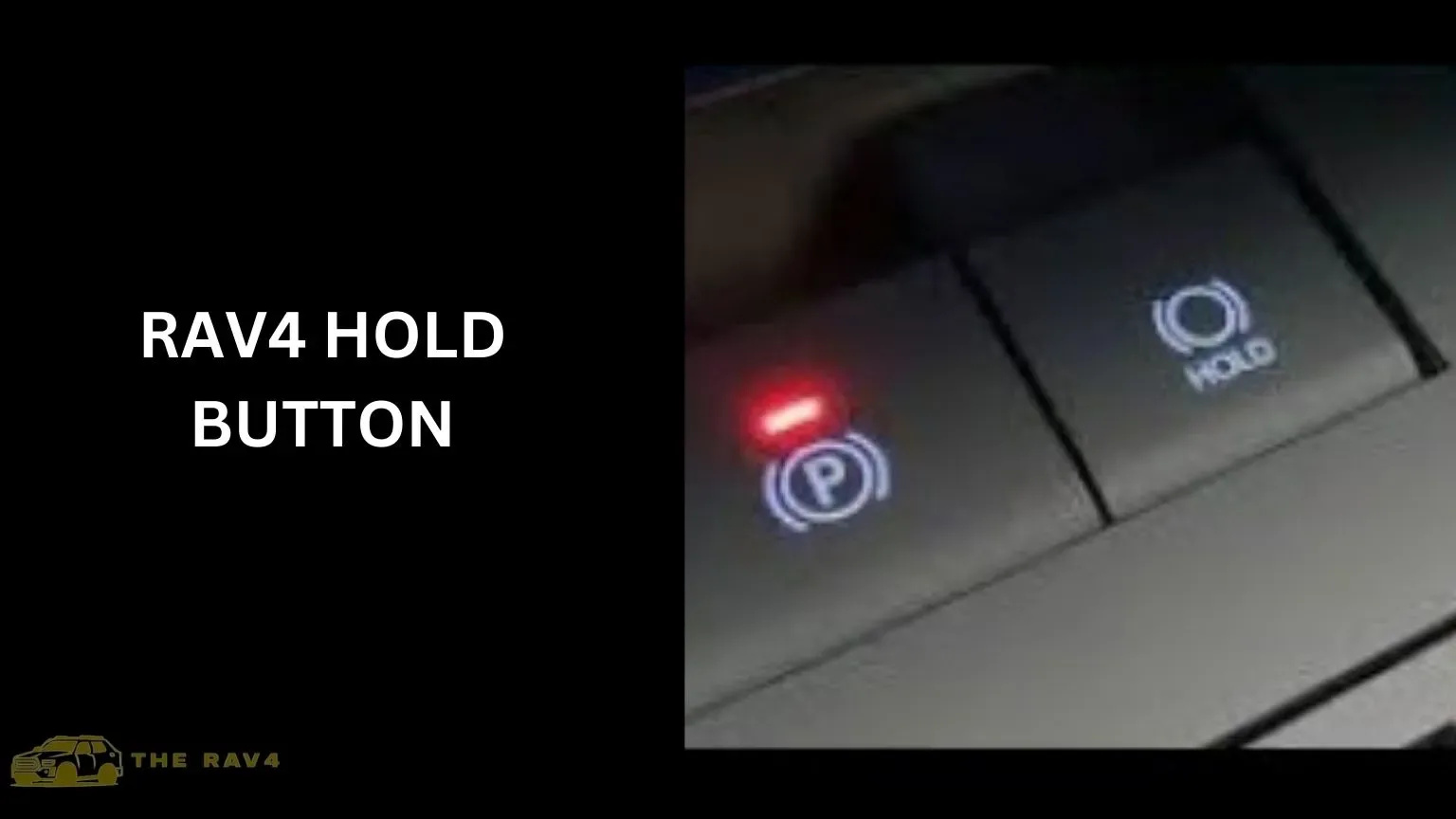
The most commonly referenced "hold button" in modern RAV4s activates the brake hold (sometimes called Auto Hold) function that automatically maintains brake pressure when you stop, preventing rolling without requiring continuous brake pedal pressure.
How Brake Hold Actually Works
The brake hold system uses the electronic stability control (ESC) hydraulic brake system to automatically maintain brake pressure at all four wheels after you come to a complete stop and release the brake pedal. When activated and you brake to a full stop, sensors detect zero vehicle movement and the system commands the ABS hydraulic unit to maintain line pressure, keeping brake calipers clamped preventing the vehicle from rolling forward or backward even after you lift your foot from the brake pedal.
The system remains engaged until you press the accelerator pedal, at which point it automatically releases brake pressure allowing the vehicle to move forward or backward depending on gear selection (Drive or Reverse). This seamless integration between brake holding and throttle input creates smooth stops and starts without the jerky brake release/throttle application that manual brake modulation sometimes creates, particularly valuable in stop-and-go traffic or when stopped on hills.
Advanced sensors monitor multiple vehicle parameters to determine when brake hold should activate and release, including wheel speed sensors detecting complete stop, brake pedal pressure sensors confirming intentional stopping, throttle position sensors detecting driver acceleration intent, gear position sensors confirming transmission in Drive, Reverse, or Neutral, and inclinometer sensors detecting slope angles affecting release timing. This sensor fusion creates intelligent brake hold that adapts to different situations rather than simply locking brakes blindly.
The system provides different hold characteristics depending on conditions: On flat ground, moderate brake pressure maintains hold requiring normal throttle input for release; on uphill slopes, increased brake pressure prevents rollback requiring slightly more throttle for release; on downhill slopes, the system modulates hold strength preventing the vehicle from creeping forward while still allowing smooth release. These adaptive characteristics make brake hold feel natural and intuitive once drivers become accustomed to the feature.
Safety interlocks prevent unintended operation, with brake hold automatically disengaging if the driver's door opens (preventing the vehicle from being held while the driver exits), if the vehicle has been stopped for extended periods (typically 5-10 minutes to prevent battery drain), or if system malfunctions are detected. These failsafes ensure brake hold enhances convenience without creating safety risks from unexpected behavior.
Which RAV4 Models Include Brake Hold
Brake hold became standard on most RAV4 trims starting with the 2019 fifth-generation redesign, though availability varies by trim level and model year. Base LE trims in 2019-2020 didn't include brake hold, while XLE and higher trims offered it standard. By 2021-2022, brake hold became standard across all RAV4 gas and hybrid trims, making it a universal feature in recent model years.
The physical button location varies by model year and trim: In 2019-2020 models with brake hold, the button typically appears on the center console near the electronic parking brake switch, labeled with a circled "(A)" icon representing auto hold. In 2021+ models, the button relocated to positions varying by trim—some place it left of the steering wheel near light controls, others keep it on the center console. The button illuminates when pressed, with a corresponding indicator appearing in the instrument cluster confirming activation.
RAV4 Prime plug-in hybrid models include brake hold standard across all trims from their 2021 introduction, integrated with the sophisticated hybrid brake system that blends regenerative and friction braking. The brake hold system in Prime operates identically to gas models from a driver's perspective, though the underlying brake-by-wire technology differs mechanically from conventional hydraulic systems.
Older 2013-2018 fourth-generation RAV4s generally don't include brake hold, though some limited-edition trims or markets outside North America received this feature. Owners of these older models seeking brake hold functionality would need to rely on manual brake pedal pressure or the electronic parking brake (if equipped) rather than having auto hold capability. Hill start assist (discussed later) provides some related functionality even without full brake hold.
Benefits and Practical Applications
Stop-and-go traffic represents brake hold's primary value proposition, eliminating the need to continuously modulate brake pressure during frequent stops in congestion. In heavy traffic with starts and stops every 10-20 seconds, brake hold allows drivers to simply brake to a stop and release the pedal, with the system maintaining brake pressure until traffic moves forward again. This reduces foot fatigue during extended commutes while preventing the slight forward creep that occurs when tired drivers inadvertently ease brake pressure in frustration.
Traffic light stops gain convenience and smoothness, with brake hold maintaining the vehicle completely stationary rather than requiring constant brake pressure or accepting slight creep forward as feet tire. The automatic release when accelerator is pressed creates smooth seamless starts without the slight hesitation or jerk that sometimes occurs when drivers attempt to simultaneously release brakes and apply throttle manually. This proves particularly valuable at stops on grades where smooth starts require coordinated brake/throttle timing that brake hold handles automatically.
Drive-through lanes and parking lot navigation benefit from brake hold allowing hands-free operation while the driver handles phone payments, parking tickets, or other tasks requiring both hands. Rather than shifting to Park at each stop or awkwardly stretching to reach items while keeping a foot on the brake, drivers can stop, activate brake hold (or leave it permanently activated), and have both hands and feet free briefly while remaining ready for immediate movement when needed.
Reduced wear on the brake pedal switch and brake lights occurs when brake hold is activated, as the system maintains pressure electronically rather than requiring continuous brake pedal depression keeping brake lights illuminated. While brake lights do illuminate when initially stopping to activate hold, they extinguish once hold is established (in most implementations), preventing the annoying bright brake light glare to following drivers during extended stops and slightly extending brake light bulb life through reduced usage.
However, brake hold provides minimal benefit for highway driving where stops are infrequent and brief, making activation unnecessary. Additionally, some drivers find the automatic release feel disconcerting initially, with the vehicle lurching forward more aggressively than they expect when pressing the accelerator if they're accustomed to simultaneously modulating brake release. This learning curve typically resolves after 2-3 days of regular use as drivers adapt to the system's characteristics.
How to Activate and Use Brake Hold
Activation requires pressing the brake hold button (labeled with circled "A" icon or "HOLD" depending on model year) while the vehicle is running and in Park or stopped. The button illuminates confirming activation, with a corresponding indicator appearing in the instrument cluster (typically showing "BRAKE HOLD" or similar message). Once activated, the system remains active throughout that drive cycle, automatically engaging at each stop without requiring button pressing at every stop.
When approaching a stop with brake hold active, simply brake normally to bring the vehicle to a complete stop. Once fully stopped, a "BRAKE HOLD" indicator illuminates in the instrument cluster confirming the system has engaged and you can release the brake pedal. The vehicle remains completely stationary without brake pedal pressure, with brake hold maintaining clamping force at all wheels.
To release brake hold and move forward or backward, simply press the accelerator pedal as you normally would to drive away. The brake hold system automatically releases pressure allowing smooth acceleration without any special technique or button pressing. The system seamlessly transitions from holding to releasing based purely on your throttle input—no other driver action needed.
The system automatically deactivates when you shift to Park or turn off the vehicle, requiring reactivation via the button press when starting your next drive if you want brake hold available. Some drivers prefer activating brake hold every time they start the vehicle for all-day availability, while others activate it only when anticipating conditions where it provides value (traffic, city driving with many stops). Neither approach is "correct"—usage patterns should match personal preferences and driving conditions.
If you want to manually release brake hold without accelerating (for instance, to creep forward slightly at a red light), simply press the brake pedal again then release it—this disengages hold allowing normal brake operation. The system reactivates automatically at your next complete stop if the button remains illuminated, requiring no additional driver input.
Hill Start Assist Control: Preventing Rollback on Inclines
Separate from brake hold, hill start assist control (HAC) provides automatic brief brake pressure maintenance when starting on hills, preventing rollback during the transition from brake to accelerator.
How Hill Start Assist Control Operates
Hill start assist activates automatically without any button pressing, detecting when you're stopped on an incline (typically 3+ degrees) and automatically maintaining brake pressure for 1-3 seconds after you release the brake pedal. This brief hold period gives you time to move your foot from brake to accelerator and apply throttle without the vehicle rolling backward or forward, creating smooth hill starts without requiring the emergency brake or heel-toe brake/throttle techniques some drivers use on hills.
The system uses inclinometer sensors (measuring tilt angle) and wheel speed sensors (detecting motion) to determine when assistance is needed. When stopped on a hill with brake pedal pressed, HAC primes itself—when you release the brake pedal to move your foot to the accelerator, HAC automatically maintains brake pressure preventing rollback. As soon as you apply throttle or after 2-3 seconds elapse (whichever comes first), HAC releases allowing normal acceleration up the hill.
Unlike brake hold which can maintain pressure indefinitely, HAC provides only brief 1-3 second assistance during the transition from stopped to moving on hills. If you don't apply throttle within this window, HAC releases and the vehicle will begin rolling, requiring brake reapplication. This design prevents HAC from holding vehicles indefinitely on hills in situations where drivers might not realize the system is active—the time-limited assistance ensures drivers remain actively controlling the vehicle.
HAC operates in both forward and reverse directions, preventing rollback when starting uphill in Drive and preventing roll-forward when starting downhill in Reverse (backing up a hill). The system intelligently determines which direction to prevent rolling based on gear selection and slope direction, always counteracting the natural rolling direction to assist smooth starts.
All modern RAV4s include HAC standard regardless of trim level from approximately 2013-2014 forward, making this a universal feature across the lineup unlike brake hold which came later and initially only on higher trims. Owners of 2013+ RAV4s have HAC available even if they lack brake hold, providing at least basic rollback prevention for hill starts.
When Hill Start Assist Provides Value
Steep residential street stops where stop signs or traffic lights occur on significant grades create ideal HAC scenarios, preventing the backward roll that otherwise occurs during the brake-to-throttle transition. This proves particularly valuable in San Francisco, Seattle, Pittsburgh, or other hilly cities where stop signs on 10-15 degree grades are common—HAC prevents the embarrassing and potentially dangerous rollback into vehicles stopped behind you.
Parking structure ramps and garage exits often include steep inclines with stop signs or traffic merges requiring stops on grades. HAC enables confident stops knowing the vehicle won't roll back into garage structure walls or other vehicles during the start, eliminating the stress and potential for awkward emergency brake usage that manually preventing rollback might require.
Off-road scenarios including steep trail sections benefit from HAC's rollback prevention when rock crawling or navigating technical terrain requires precise starts on steep grades. While not a substitute for genuine low-range four-wheel-drive systems, HAC supplements AWD capability making challenging sections more manageable for moderately experienced off-road drivers.
Trailer towing on hills creates situations where vehicle mass and reduced power-to-weight ratios make smooth hill starts challenging, with HAC providing the brief brake pressure needed to prevent rollback while the driver applies sufficient throttle to move the loaded vehicle forward. This proves particularly valuable for novice towers who haven't yet mastered the brake/throttle coordination that experienced towers execute automatically.
However, HAC provides no benefit on flat ground or gentle grades where rollback isn't a concern, remaining dormant during the vast majority of driving that occurs on level or near-level surfaces. Additionally, very brief stops on hills might not trigger HAC if the system doesn't detect sufficient stop duration to warrant activation, requiring drivers to maintain brake pressure through brief pauses just as they would without the system.
Understanding HAC Limitations and Driver Responsibilities
The 2-3 second hold duration proves insufficient for extended stops on hills, requiring drivers to maintain brake pedal pressure if stopping for more than a moment on grades. HAC assists the transition from stopped to moving but doesn't replace the brake pedal for extended hill stops—attempting to use HAC this way results in rollback after the time limit expires, creating exactly the situation HAC aims to prevent.
HAC cannot overcome physics on extremely steep grades beyond the brake system's holding capacity, particularly with heavy loads or trailers. While modern brake systems can hold substantial weight on steep grades, extreme situations might exceed HAC's capacity requiring drivers to use parking brake or manual brake pressure regardless of HAC assistance. This limitation rarely affects normal RAV4 usage but could manifest in extreme towing or off-road scenarios.
Some drivers find HAC disconcerting initially, feeling like the brake pedal is "sticky" or the brakes are slow to release when starting on hills. This perception stems from HAC maintaining pressure briefly after brake release—drivers expecting immediate vehicle response when releasing the brake instead experience a brief hold until they apply throttle or time expires. This typically resolves after drivers become accustomed to HAC behavior recognizing it as intentional assistance rather than malfunction.
HAC can be disabled in some RAV4 models through multi-information display menus for drivers who prefer manual control on hills or find HAC characteristics undesirable. However, most drivers benefit from leaving HAC active as the default setting, as it provides genuine safety and convenience value in common situations without meaningful downsides during normal operation. Disabling makes sense primarily for very experienced drivers who prefer complete manual control or in specific situations where HAC characteristics prove genuinely problematic.
Transmission Hold Mode: Gear Limiting in Older RAV4s
In older RAV4 generations (primarily third and fourth generation 2006-2018 models), a transmission "HOLD" button or mode limited upshifts for engine braking, towing, or mountain driving—a completely separate system from brake hold or hill assist despite similar naming.
Third Generation (2006-2012) Transmission Hold Function
The transmission hold button in 2006-2012 RAV4s locks the transmission in a lower gear range preventing upshifts beyond third or fourth gear (depending on model year and transmission type). This functionality serves several purposes including providing engine braking when descending mountains or towing, maintaining lower gears for improved throttle response in hilly terrain, and preventing excessive shifting in stop-and-go traffic or challenging driving situations.
Activation involves pressing the "HOLD" button typically located on or near the gear selector, with an indicator illuminating in the instrument cluster confirming the mode is active. When activated, the transmission remains in lower gears regardless of speed or throttle input (within safe rev limits), using the engine's compression braking to help slow the vehicle on descents or maintain lower gears for improved acceleration in mountains.
The system primarily benefits mountain driving where long descents would otherwise require extensive brake usage potentially overheating brakes. By selecting hold mode before descending, drivers leverage engine braking reducing or eliminating brake pedal use, allowing brakes to remain cool for emergency stops. Similarly, climbing mountains with hold engaged maintains lower gears improving throttle response and acceleration without excessive transmission hunting between gears.
Towing represents another hold mode application, as maintaining lower gears when towing improves control on descents through engine braking while also improving power delivery during acceleration and hill climbing. The transmission's tendency to upshift prematurely when towing (attempting to maintain fuel efficiency) can create dangerous situations on descents or frustrating lack of power on climbs—hold mode overrides these programming tendencies prioritizing control over efficiency.
However, hold mode should not be used during normal highway cruising as the lower gears increase engine RPM and fuel consumption while providing no benefit on level highways. The mode exists specifically for challenging terrain or towing situations where lower gearing provides genuine advantages—using it routinely wastes fuel and increases engine wear without corresponding benefit.
Fourth Generation (2013-2018) Transmission "S" Mode
Fourth-generation RAV4s (2013-2018) typically don't include a labeled "HOLD" button, instead implementing similar functionality through the transmission "S" (Sequential/Sport) mode accessed by moving the gear selector from "D" to "S" position. This mode allows manual gear selection using paddle shifters or gear selector movements, effectively letting drivers "hold" specific gears when desired rather than having the transmission automatically select gears.
Sport mode alone without manual gear selection creates firmer shifts, holds lower gears longer before upshifting, and downshifts more readily when throttle is applied—creating sportier driving feel without requiring manual gear selection. This proves useful for spirited driving on twisty roads where staying in the powerband improves driver engagement and vehicle responsiveness.
Manual mode accessed through "S" position plus paddle shifters (if equipped) or sequential gear selector movements allows drivers to manually select specific gears holding them until manually commanded to shift. This provides similar functionality to older hold buttons by letting drivers lock lower gears for engine braking, improved control, or specific driving scenarios requiring manual transmission override.
The benefits and usage scenarios match earlier hold mode applications: Long mountain descents use manual mode to select lower gears for engine braking, hilly terrain uses manual shifts to maintain appropriate gears without automatic transmission hunting, and towing leverages manual mode to maintain lower gears for control and power. However, the implementation through manual gear selection provides more granular control than simple "hold" buttons that just prevented upshifts beyond preset thresholds.
Modern RAV4s (2019+) and Drive Mode Select
Fifth-generation RAV4s (2019-present) implement transmission behavior modifications through drive mode select rather than dedicated hold buttons or manual modes. Drive mode select offers modes including Normal, Eco, Sport, and on some trims Trail or Snow, each modifying transmission shift patterns, throttle response, and (on AWD models) torque distribution to suit different driving scenarios.
Sport mode in drive mode select creates similar effects as older hold modes by holding lower gears longer, downshifting more aggressively, and maintaining higher engine speeds for improved throttle response. While not identical to manually locking specific gears, sport mode provides many of the same benefits for spirited driving or situations requiring maintained lower gearing.
Trail mode on Adventure and TRD Off-Road trims modifies transmission behavior for off-road use including holding lower gears for rock crawling, modulating throttle response for precise control, and integrating with AWD torque distribution for improved traction. This mode-specific transmission tuning provides the control that older hold buttons delivered but through integrated system programming rather than simple gear-limiting logic.
The shift from manual transmission controls to integrated drive modes reflects modern automotive design philosophy favoring system integration and automatic optimization over manual driver controls. While this reduces driver workload and prevents misuse (drivers forgetting hold mode engaged and driving highway speeds in lower gears), some enthusiasts prefer explicit manual control that older systems provided. Neither approach is objectively superior—they represent different design philosophies serving different driver preferences.
Practical Usage Guide: When and How to Use Hold Functions
Understanding the theory of hold functions matters less than knowing when and how to actually use them in real-world driving for maximum benefit without creating complications or confusion.
Daily Commute Scenarios
Urban commuting with frequent stops represents ideal brake hold territory, where activating the feature at drive start and leaving it engaged throughout the commute eliminates repetitive brake pedal pressure at lights, stop signs, and traffic congestion. The convenience compounds during extended stop-and-go scenarios where brake hold might activate 20-30 times during a single commute, cumulatively saving significant foot fatigue while enabling smoother starts at each stop.
Highway commutes with minimal stops gain little from brake hold activation, as the infrequent stops (toll booths, occasional traffic backups) don't justify the feature's use. However, leaving brake hold active permanently creates no downsides beyond the initial button press at drive start—the system simply remains dormant during highway cruising, activating only when stops occur. This "set and forget" approach works well for drivers whose routes include mixed highway and urban segments.
Hill start assist operates automatically regardless of any button pressing, providing transparent assistance whenever hills and stops coincide. Drivers need no specific technique to leverage HAC beyond normal driving—the system activates automatically when needed, releases automatically when appropriate, and requires zero conscious thought or interaction. This transparency makes HAC universally beneficial without requiring behavior changes or system understanding.
Parking and Maneuvering Situations
Parallel parking gains significant convenience from brake hold, allowing drivers to focus on steering and throttle modulation without worrying about brake pedal pressure during the multiple back-and-forth movements parallel parking requires. The ability to release the brake pedal while pausing to check clearances or adjust steering proves particularly valuable in tight spaces where attention must focus on surroundings rather than pedal coordination.
Drive-through lanes, car washes, and parking garages all involve frequent brief stops where brake hold excels, eliminating the awkward foot-stretching or brake-pedal-balancing-while-reaching that manually maintaining position requires. The hands-free stopping that brake hold enables proves particularly valuable when handling payments, parking tickets, or food orders requiring both hands while the vehicle remains stopped.
However, very slow speed maneuvering like inching into tight garage spaces or navigating congested parking lots at creep speeds proves easier without brake hold, as the system's automatic release when throttle is applied creates more aggressive movement than the gentle creep that manual brake modulation produces. Drivers can press the brake pedal to override and deactivate brake hold temporarily for these precise maneuvering situations, reactivating automatically at the next stop.
Mountain and Towing Applications
Long mountain descents require transmission mode changes (on older RAV4s with hold buttons or manual modes) or drive mode selection to sport/trail modes (on newer models) to engage engine braking reducing brake usage and preventing brake overheating. Selecting appropriate modes before beginning descents allows the transmission to stay in lower gears providing compression braking throughout the descent.
Brake hold proves counterproductive on long steep descents where continuous slow movement rather than stops occurs—attempting to stop on steep descents engages brake hold preventing the gradual controlled descent that engine braking provides. The feature works best for stops on grades rather than continuous descending, making it less useful during the descent itself though valuable at stops between descent sections.
Hill start assist shines during trailer towing on hills, preventing the rollback that loaded vehicles experience during brake-to-throttle transitions. This automatic assistance proves particularly valuable for novice towers or situations where steep launching ramps (boat launches) or grade starts create challenging conditions where even experienced towers appreciate the rollback prevention safety net HAC provides.
Troubleshooting Common Issues and Understanding Warnings
Like any electronic system, hold functions occasionally experience issues or display warnings that confuse owners unfamiliar with normal operation versus actual malfunctions.
Brake Hold Won't Activate or Engage
If pressing the brake hold button produces no illumination or system response, verify the vehicle is running and in Park or fully stopped before attempting activation—many systems prevent activation while moving or if the ignition is off. Additionally, confirm your specific RAV4 trim includes brake hold, as not all models have this feature despite similar center console button layouts potentially creating confusion.
Driver's door must be closed for brake hold to function in most implementations, as opening the door automatically disengages hold as a safety feature preventing the vehicle from being held while the driver exits. If attempting to activate brake hold with the door ajar produces no response, close the door and retry activation.
Warning messages indicating "Brake Hold Unavailable" or similar can occur if the system detects malfunctions in brake components, low brake fluid, electronic stability control issues, or other brake system problems. These warnings require professional diagnosis and repair as they indicate actual system faults rather than simple operational issues. Continuing to drive carefully without brake hold is safe, but the underlying brake system problems warrant prompt attention.
Hill Start Assist Not Working as Expected
HAC only activates on grades exceeding threshold angles (typically 3+ degrees), meaning gentle slopes won't trigger the system leaving drivers feeling like HAC isn't functioning when in reality the grade simply isn't steep enough to warrant activation. Testing HAC on steeper residential hills or parking structure ramps provides better demonstration of functionality than gentle suburban streets where grades rarely exceed activation thresholds.
Very brief stops might not activate HAC if sensors determine insufficient stop duration to warrant assistance. Stops lasting under 1 second sometimes don't trigger HAC, requiring drivers to maintain brake pressure through these quick pauses just as they would without the system. This prevents unnecessary HAC activation during momentary pauses that don't require rollback assistance.
HAC automatically releases after 2-3 seconds regardless of whether throttle is applied, meaning extended hill stops require manual brake pressure beyond the HAC assistance window. Drivers who stop on hills for extended periods (waiting for cross-traffic, extended traffic light delays) must maintain brake pedal pressure—HAC provides transition assistance only, not indefinite holding capability.
Understanding Instrument Cluster Indicators
"BRAKE HOLD" indicator illumination confirms the system is active and engaged at the current stop—you can safely release the brake pedal. The indicator extinguishing when you apply throttle confirms normal release, with no indicator suggesting the system isn't currently holding (either because you haven't stopped or because it's not activated via the button).
"Hill Start Assist Unavailable" warnings indicate HAC has detected issues preventing operation, typically related to brake system problems, wheel speed sensor failures, or inclinometer malfunctions. These warnings don't necessarily indicate immediate safety concerns (brakes still function normally for manual control) but suggest professional diagnosis is warranted to restore HAC functionality and verify underlying components are healthy.
Flashing or blinking hold indicators suggest system malfunctions or temporary unavailability, requiring button deactivation and reactivation to reset or indicating more serious issues requiring professional diagnosis. Consistent flashing that doesn't resolve through button toggling warrants dealer or qualified technician inspection to diagnose and address the underlying electronic control issues.
Conclusion: Leveraging Hold Functions for Enhanced Driving
Toyota's various "hold" functions—brake hold, hill start assist, and transmission hold modes—represent genuinely useful driver assistance technologies that enhance convenience, reduce fatigue, and improve safety when properly understood and applied to appropriate scenarios. The confusion surrounding these systems stems primarily from overlapping terminology and lack of owner familiarity rather than any inherent complexity—once drivers understand what each system actually does and when it provides value, integration into daily driving patterns proves natural and beneficial.
Brake hold deserves regular use for drivers whose patterns include frequent stops, transforming stop-and-go traffic from fatiguing brake-pedal-balancing acts into relaxed pauses where the system automatically maintains position. The one-time button activation at drive start enables all-day availability without requiring repeated activation, making the feature's convenience accessible to anyone willing to remember a single button press when starting their vehicle.
Hill start assist operates automatically requiring zero driver awareness or action beyond normal driving, providing transparent safety enhancement that prevents rollback embarrassment and potential collisions during hill starts. The system's universal availability across modern RAV4s means all owners benefit from this protection whether they consciously realize it or not—making familiarization with HAC characteristics worthwhile for understanding the brief brake hold sensation when starting on hills.
Transmission hold modes in older RAV4s or drive mode selection in newer models provide valuable control for specific scenarios including mountain driving, towing, and situations requiring maintained lower gearing. However, these represent specialized applications rather than everyday features—most drivers will rarely or never need transmission hold capabilities, making them less essential to understand than brake hold and HAC that provide frequent everyday benefits.
The key to maximizing these systems' value involves understanding what your specific RAV4 offers (not all features appear across all model years and trims), learning when each system provides genuine benefits versus when it's unnecessary or counterproductive, and developing the simple habits (pressing brake hold button at drive start, using sport mode before mountain descents) that enable regular usage without conscious effort. These modest investments in understanding and habit formation unlock meaningful driving quality improvements that enhance the RAV4 ownership experience.