Table of Contents
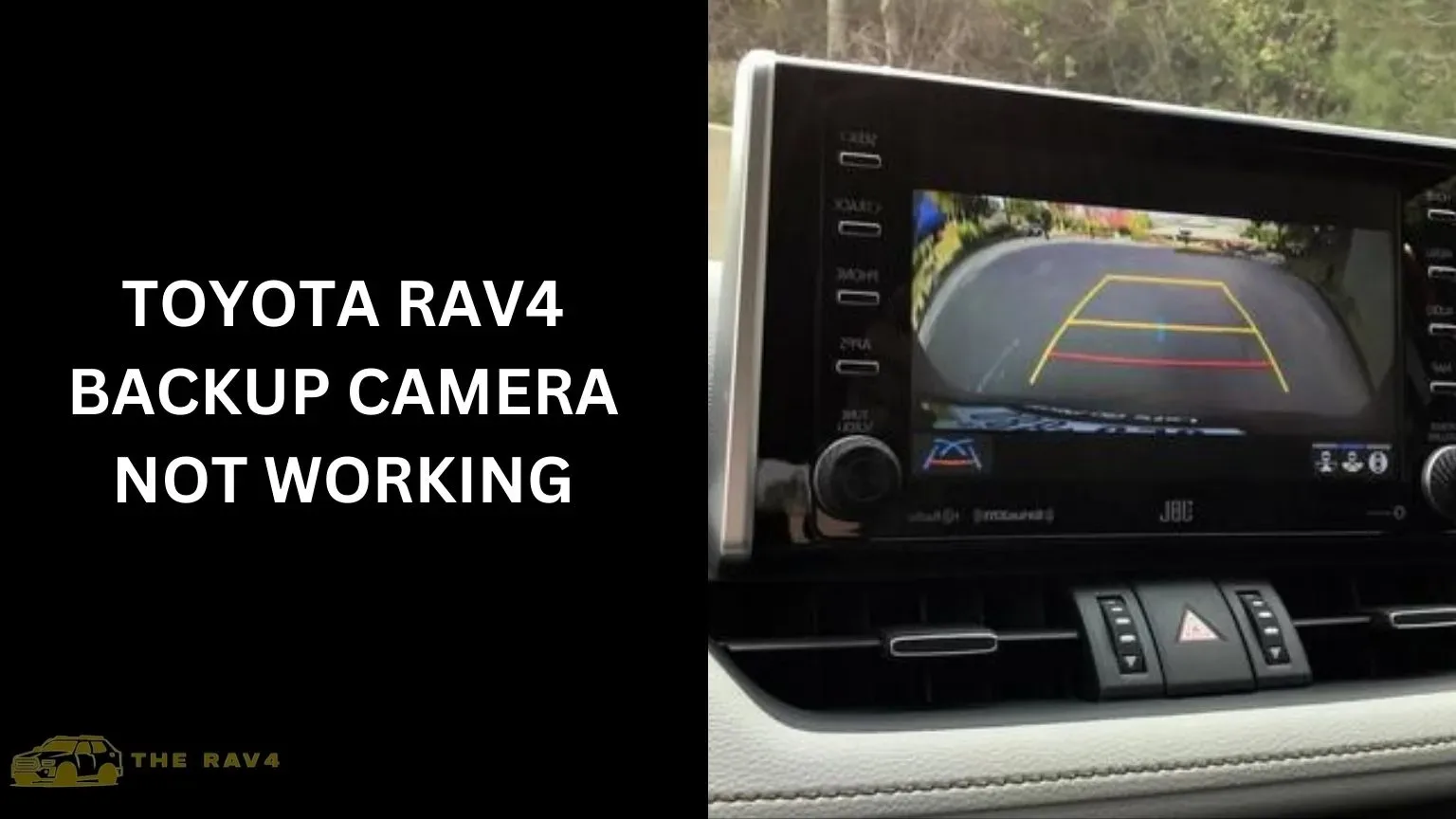
The Toyota RAV4 is renowned for its advanced safety features, including a backup camera that enhances safety and convenience during reversing maneuvers. However, like any electronic system, issues can arise that leave drivers puzzled when their backup camera fails to function correctly.
If you've shifted into reverse only to find a blank screen, a distorted image, or an error message where your backup camera view should be, you're not alone. Backup camera failures are among the most common technical complaints from RAV4 owners, but the good news is that many issues can be diagnosed and resolved without expensive dealer visits.
In this comprehensive guide, we'll explore every aspect of Toyota RAV4 backup camera problems—from simple fixes you can do in your driveway to complex issues requiring professional attention. Whether you're dealing with a completely black screen, intermittent failures, or poor image quality, this article will help you understand what's wrong and how to fix it.
Understanding Your Toyota RAV4 Backup Camera System
Before diving into troubleshooting, it's essential to understand how your RAV4's backup camera system works. This knowledge will help you diagnose problems more effectively and communicate clearly with technicians if professional help becomes necessary.
How Backup Cameras Work in the RAV4
Modern Toyota RAV4 backup cameras (also called rearview cameras) are integrated systems that involve several components working together:
The Camera Unit: Typically mounted above the rear license plate or integrated into the tailgate handle, the camera contains a wide-angle lens and image sensor that captures video of the area behind your vehicle.
Wiring Harness: A bundle of wires runs from the camera through the vehicle's body to the head unit, carrying both power and video signals.
Display Screen: The central touchscreen (ranging from 7 to 10.5 inches depending on model year and trim) displays the camera feed when you shift into reverse.
Reverse Gear Switch: When you shift into reverse, this switch sends a signal to the system to activate the camera and display its feed on the screen.
Control Module: The head unit's computer processes the camera signal and overlays helpful guidelines showing your projected path based on steering wheel position.
Evolution of RAV4 Backup Camera Systems
Toyota has continuously improved backup camera technology across RAV4 generations:
Fourth Generation (2013-2018): Backup cameras became standard equipment partway through this generation (2015 for most trims). Earlier models featured basic cameras with static guidelines on smaller screens (typically 6.1 inches).
Fifth Generation (2019-Present): All models come standard with backup cameras, with many featuring dynamic guidelines that adjust as you turn the steering wheel. Higher trims offer upgraded displays with better resolution and advanced features like bird's-eye view or 360-degree camera systems.
Recent Updates: Newer RAV4 models (2022+) have incorporated higher-resolution cameras with improved low-light performance and wider viewing angles.
Understanding your specific model year and trim level helps identify which type of system you have and which problems are most common for that configuration.
Common Problems with Toyota RAV4 Backup Cameras
RAV4 owners report several distinct backup camera issues, each with different potential causes and solutions. Let's examine the most frequent problems in detail.
Black Screen or No Image Displayed
The Problem: When you shift into reverse, the screen remains black, shows a blue screen, or displays a "no signal" message instead of the camera view.
This is the most commonly reported issue and can be caused by several factors:
Complete System Failure: The screen doesn't respond at all when you engage reverse gear, with no change from whatever was previously displayed (radio, navigation, etc.).
Black Screen with Graphics: The screen changes to the backup camera view with guidelines and overlays visible, but the video feed itself is completely black.
Intermittent Failures: The camera sometimes works and sometimes doesn't, with no obvious pattern to the failures.
This issue is particularly frustrating because it completely defeats the purpose of having a backup camera. It's also potentially dangerous if you've grown accustomed to relying on the camera for safe reversing.
Blurry, Distorted, or Pixelated Image
The Problem: The camera displays an image, but it's difficult or impossible to see clearly due to poor image quality.
Specific manifestations include:
Blurriness: The image appears out of focus or hazy, making it difficult to identify obstacles or judge distances accurately.
Pixelation: The image breaks up into visible blocks or squares, particularly in certain lighting conditions or when there's motion in the frame.
Color Distortion: Colors appear washed out, overly saturated, or completely wrong (sometimes with a blue or pink tint dominating the image).
Flickering or Rolling Lines: Horizontal lines roll through the image, or the entire picture flickers on and off rapidly.
Ghosting: You see multiple overlapping images or trails behind moving objects.
While a distorted camera is better than no camera at all, these issues can make the system unreliable and may cause you to misjudge distances or miss important obstacles.
Camera Malfunction Error Messages
The Problem: The display shows an error message specifically indicating a camera malfunction or system failure.
Common error messages include:
- "Camera Malfunction"
- "Check Rear Camera System"
- "Rear Camera Unavailable"
- "Camera System Error"
These messages typically indicate that the vehicle's computer has detected a specific problem with the camera system. The error might appear immediately when you shift into reverse, or it might display after a brief delay while the system attempts to initialize.
Delayed Camera Activation
The Problem: The camera eventually displays correctly, but there's a significant delay (5-15 seconds) between shifting into reverse and the image appearing.
While not as severe as a complete failure, delayed activation can be problematic when you need to maneuver quickly in parking lots or tight spaces. This issue is particularly common in:
- Cold weather conditions
- After the vehicle has been sitting for extended periods
- On older vehicles with aging components
Camera Works Intermittently
The Problem: The backup camera functions normally sometimes but fails at other times, with no consistent pattern.
This unpredictable behavior is especially difficult to diagnose because:
- The camera might work fine at the dealer when you try to demonstrate the problem
- Failures might correlate with weather conditions, temperature, or humidity
- The problem might occur more frequently after extended driving or when the vehicle is hot
Intermittent failures often indicate loose connections, damaged wiring with intermittent contact, or components that fail when they reach certain temperatures.
Guidelines Not Displaying or Incorrectly Aligned
The Problem: The camera image appears, but the helpful overlay guidelines are missing, misaligned, or move incorrectly as you turn the steering wheel.
This issue affects the camera system's usability rather than the camera itself and usually indicates:
- Software calibration problems
- Issues with the steering angle sensor
- Incomplete software updates
- Incorrect system settings after repairs or maintenance
Root Causes: Why Your RAV4 Backup Camera Isn't Working
Understanding the underlying causes of backup camera failures helps you diagnose the issue and determine whether it's something you can fix yourself or requires professional attention.
Electrical and Wiring Issues
Electrical problems are among the most common causes of backup camera failures in Toyota RAV4s.
Blown Fuses: The backup camera system typically uses one or more fuses to protect it from electrical overloads. A blown fuse will completely prevent the camera from receiving power, resulting in a black screen or no response when shifting into reverse.
Relevant Fuse Locations (varies by model year):
- Interior fuse box: Often labeled "BACK-UP" or "CAMERA"
- Engine bay fuse box: May share a circuit with other rear accessories
- Typical fuse ratings: 7.5A to 15A
Damaged Wiring: The wiring harness running from the camera to the head unit passes through the vehicle's body, making it vulnerable to damage from:
- Rear-end collisions (even minor ones)
- Improper installation of aftermarket accessories
- Rodent damage (particularly in vehicles stored outdoors)
- Corrosion from water intrusion
- Wear from the tailgate opening and closing repeatedly
The wiring is particularly vulnerable at these points:
- Where it exits the camera housing
- Where it passes through the tailgate hinge area
- At connection points inside the vehicle
- Near the spare tire area (in older models)
Poor Ground Connections: Like all electronic systems, backup cameras require good ground connections. Corrosion or looseness at ground points can cause intermittent failures or poor image quality.
Voltage Issues: In some cases, problems with the vehicle's electrical system (weak battery, failing alternator) can cause backup camera malfunctions, particularly on vehicles with multiple electrical accessories drawing power simultaneously.
Physical Damage to Camera Components
The camera itself is exposed to harsh conditions and potential impacts, making physical damage a common cause of failures.
Cracked or Damaged Lens: The camera lens can be damaged by:
- Impact from shopping carts, rocks, or debris
- Pressure washing at close range
- Ice accumulation in winter
- Improper cleaning methods
Even small cracks or scratches can significantly degrade image quality, cause distortion, or allow moisture intrusion that leads to complete failure.
Water Intrusion: Despite being designed for outdoor use, backup cameras can fail when water penetrates the housing through:
- Damaged seals and gaskets
- Cracks in the housing
- Improperly sealed cable entry points
Water inside the camera causes fogging, corrosion of electronic components, and eventual complete failure. Signs of water intrusion include:
- Condensation visible inside the lens
- Intermittent failures that worsen in rain or after washing
- Corrosion visible around the camera housing
Impact Damage: Even minor rear-end collisions, bumper scrapes, or backing into objects can damage the camera or its mounting, causing:
- Misalignment (camera pointing in the wrong direction)
- Broken internal components
- Severed wiring
- Loose mounting that allows vibration damage
Environmental Degradation: Over time, exposure to UV radiation, extreme temperatures, road salt, and other environmental factors can degrade plastic components, seals, and even the camera's image sensor, leading to gradual performance decline.
Software and System Glitches
Modern backup cameras rely heavily on software, making software-related issues a significant cause of malfunctions.
Outdated Firmware: Toyota periodically releases software updates for the multimedia system that includes backup camera functionality. Running outdated firmware can cause:
- Compatibility issues with other vehicle systems
- Known bugs that have been fixed in newer versions
- Suboptimal performance or strange behavior
Corrupted Software: Occasionally, the software controlling the backup camera can become corrupted due to:
- Interrupted software updates
- Electrical glitches or power interruptions
- Head unit crashes or freezes
- Memory corruption from age or component failure
Configuration Errors: Sometimes the backup camera system becomes misconfigured, particularly after:
- Battery disconnection or replacement
- Other repair work that required disconnecting vehicle electronics
- Software updates that reset settings to defaults
- Interference from aftermarket accessories
Communication Errors: Modern vehicles use network protocols (like CAN bus) for communication between modules. Communication errors between the head unit, camera module, and other vehicle systems can prevent the camera from functioning correctly.
Display Screen and Head Unit Problems
Sometimes the issue isn't with the camera at all but with the display system that shows the camera feed.
Failed Head Unit: The central display unit (multimedia system) can develop problems that prevent it from displaying the backup camera, even though the camera itself is functioning correctly. Symptoms include:
- All display functions failing, not just backup camera
- Display freezing or crashing when switching to camera view
- System reboot loops when engaging reverse gear
Loose Display Connections: Connections between the display and its control module can work loose over time, particularly in vehicles driven on rough roads. This can cause intermittent failures or complete loss of display function.
Display Screen Failure: The LCD or LED screen itself can fail, showing symptoms like:
- Dark spots or lines across the entire display
- Complete screen failure (not just camera view)
- Flickering or unstable image across all functions
HDMI or Video Cable Issues: The cable carrying the video signal from the camera to the display can fail, particularly at connector points, causing image quality problems or complete signal loss.
Issues Specific to Model Years
Certain RAV4 model years have known issues that affect backup camera reliability:
2019-2020 Models: Some owners report that the camera system freezes or displays error messages after software updates, sometimes requiring a complete system reset or reflash to resolve.
2015-2017 Models: Earlier fifth-generation models sometimes experience intermittent camera failures related to the reverse gear switch or wiring harness issues near the tailgate hinge.
2013-2014 Models: These model years sometimes have problems with the camera connections corroding, particularly in humid climates or areas where roads are salted in winter.
Step-by-Step Troubleshooting Guide
Now that you understand the potential causes, let's walk through systematic troubleshooting steps to identify and potentially resolve your backup camera issue. Start with the simplest solutions and progress to more complex diagnostics.
Quick Fixes: Try These First
Before diving into detailed diagnostics, try these simple solutions that resolve many backup camera problems:
1. Clean the Camera Lens
This is the single most common fix for backup camera problems. Many issues that seem like failures are actually just dirty lenses.
Proper Cleaning Method:
- Use a soft, lint-free microfiber cloth
- Spray the cloth (not the camera) with water or gentle glass cleaner
- Gently wipe the lens in circular motions
- Avoid scrubbing hard or using abrasive materials
- In winter, ensure all ice and snow are removed
- Check for condensation inside the lens (indicating a seal failure)
What to Look For: While cleaning, inspect for:
- Cracks or scratches in the lens
- Gaps in the seals around the camera housing
- Signs of impact damage
- Corrosion around the mounting area
2. Restart the Multimedia System
Many software glitches resolve with a simple reboot of the head unit.
How to Restart:
- With the vehicle in park and the engine running (or ignition on)
- Press and hold the power button on the display for 10-15 seconds
- The screen should turn off completely
- Release the button and wait 5-10 seconds
- Press the power button again to turn the system back on
- Shift into reverse to test the camera
Alternative Method (if the power button doesn't work):
- Turn off the vehicle completely
- Open the driver's door (to ensure the vehicle fully powers down)
- Wait 2-3 minutes
- Restart the vehicle and test
3. Perform a Hard Reset of Vehicle Electronics
If a simple restart doesn't help, try a hard reset that clears temporary settings and cached data.
Procedure:
- Turn off the vehicle and remove the key
- Open the hood and locate the 12V battery
- Disconnect the negative (-) terminal first, then the positive (+) terminal
- Wait 10-15 minutes (this allows capacitors to fully discharge)
- Reconnect the positive terminal first, then the negative
- Start the vehicle and allow the system to fully boot
- Test the backup camera
Important Notes:
- You may need to reset the clock and radio presets
- On some models, windows may need to be re-synchronized (roll down and up completely with auto-up feature)
- The vehicle may run slightly differently for the first few miles as the computer relearns its settings
4. Check for Obvious Physical Damage
Visually inspect the entire backup camera system:
- Look at the camera lens and housing for cracks, damage, or looseness
- Check the area around the camera for impact damage to the tailgate or bumper
- Look for damaged wiring near the camera
- Inspect the license plate area (some cameras mount there)
Intermediate Diagnostics
If quick fixes don't resolve the issue, proceed to these more detailed diagnostic steps.
Check Fuses
A blown fuse is a common cause of complete backup camera failure and is easy to check.
Locating the Correct Fuse:
- Consult your owner's manual for the fuse box diagram (usually located on the inside of the fuse box cover)
- The backup camera fuse may be labeled as: "BACK-UP," "CAMERA," "RR CAM," or similar
- Common locations:
- Interior fuse box (driver's side dashboard or under dash)
- Engine bay fuse box (passenger side near firewall)
Fuse Inspection:
- Use the fuse puller tool (usually clipped inside the fuse box)
- Remove the suspect fuse carefully
- Hold it up to light and look at the metal strip inside
- A blown fuse will have a broken or melted metal strip
- Compare with a known good fuse of the same rating
Replacing a Blown Fuse:
- Purchase the correct amperage replacement (usually 7.5A or 10A for backup cameras)
- Never use a higher amperage fuse as this can damage components or cause fires
- Push the new fuse firmly into place
- Test the backup camera
- If the new fuse blows immediately, there's a short circuit requiring professional diagnosis
Test the Camera Power Supply
If fuses are intact, verify the camera is receiving power.
What You'll Need:
- Multimeter (set to DC voltage)
- Vehicle wiring diagram (available in service manual or online)
- Basic electrical knowledge
Testing Procedure:
- Locate the camera's electrical connector
- With the vehicle in reverse, measure voltage at the power pin
- Should read approximately 12V when in reverse, 0V in any other gear
- If no voltage is present, the problem lies in the wiring or reverse gear switch
- If voltage is present but camera doesn't work, the camera itself may be faulty
Inspect Wiring Connections
Loose or corroded connections are frequent culprits in backup camera failures.
Key Inspection Points:
- At the camera: Look for green corrosion, loose pins, or moisture in the connector
- Inside the tailgate: Check where wiring passes through the hinge area
- Behind the head unit: Verify the video cable and power connections
- Ground connections: Ensure ground wires are tightly connected and corrosion-free
How to Inspect:
- Disconnect the connector (usually by pressing a tab and pulling)
- Look inside both halves for:
- Corrosion (green or white deposits)
- Bent or pushed-back pins
- Signs of moisture or water damage
- Clean connections with electrical contact cleaner if needed
- Reconnect firmly until you hear a click
Test in Different Conditions
Intermittent problems often reveal themselves under specific conditions.
Systematic Testing:
- Test camera after the vehicle has been sitting overnight (cold start)
- Test after driving for 30+ minutes (hot condition)
- Test in different weather conditions (rain, extreme cold, extreme heat)
- Test at different times of day (bright sun, night, dusk)
- Wiggle wires near the camera while someone watches the display
If the camera fails only under specific conditions, this provides valuable diagnostic information:
- Fails when cold: Suggests cracked solder joints or moisture issues
- Fails when hot: Indicates heat-sensitive component failure
- Fails when wet: Points to water intrusion or moisture in connections
- Fails when wires are moved: Confirms wiring damage or loose connections
Advanced Troubleshooting
These steps require more technical knowledge or specialized tools. If you're not comfortable with these procedures, this is where professional help becomes valuable.
Check for Error Codes
Modern RAV4s store diagnostic trouble codes (DTCs) when systems malfunction.
How to Access Codes:
- Professional scanners: Toyota Techstream or equivalent can read body control module and multimedia system codes
- Generic OBD-II scanners: May not access all relevant systems
- Dealer service: Can pull comprehensive diagnostic codes
Common Camera-Related Codes:
- B1630: Camera circuit malfunction
- B1631: Camera power supply circuit
- U0167: Lost communication with camera module
- Various body control module codes related to reverse gear detection
Test the Reverse Gear Switch
The reverse gear switch tells the system when to activate the camera. If it's faulty, the camera won't turn on.
Testing Method:
- Locate the reverse gear switch (on transmission or near shifter)
- With vehicle in reverse, test for voltage at the switch output
- Should show battery voltage in reverse, 0V in any other gear
- If the switch is faulty, replacing it may solve the camera issue
Inspect Camera Video Signal
With proper equipment, you can test whether the camera is producing a video signal.
Testing Approach:
- Disconnect camera from vehicle harness
- Connect camera directly to a test monitor
- Apply 12V power to camera power pins
- Camera should display an image on the monitor
- If it does, the camera is good; problem is in wiring or head unit
- If it doesn't, the camera itself is faulty
Check Steering Angle Sensor (for guideline issues)
If the camera works but guidelines are wrong or missing:
Calibration Required When:
- After wheel alignment
- After replacing steering components
- After battery disconnection
- Following certain software updates
Calibration Process:
- Usually requires dealer service or advanced scan tool
- Involves turning steering wheel to specific angles
- System learns and stores steering angle values
Software Solutions
Software updates and resets can resolve many backup camera issues.
Check for Available Updates
Toyota periodically releases updates that fix known issues.
How to Update:
- Via Dealer: Schedule a service appointment and ask them to check for multimedia system updates
- Via WiFi (newer models): Some RAV4s can download updates over WiFi
- Go to Settings > System > Software Update
- Check for available updates
- Follow on-screen instructions
- Via USB (some models):
- Visit Toyota's owner portal and download updates
- Copy to USB drive and insert into vehicle
- Follow on-screen prompts
Known Issues Addressed by Updates:
- Camera delay or lag issues
- Intermittent black screens
- Guideline calibration problems
- Compatibility with phone projection systems
- General stability improvements
Perform System Reset
Different from a simple reboot, a system reset restores default settings.
Factory Reset Procedure (varies by model year):
- Go to Settings > General > Reset
- Select "Delete Personal Data" or "Factory Data Reset"
- Confirm the reset (this will erase stored settings)
- System will reboot and restore defaults
- Test camera after reset completes
Warning: This erases:
- Radio presets
- Navigation saved locations
- Connected phone pairings
- Custom settings
- Saved destinations
Reflash or Reprogram Head Unit
In severe cases, the entire multimedia system may need reprogramming.
When Needed:
- Corrupted software that won't respond to updates
- Head unit completely unresponsive
- Persistent errors after all other fixes
- Following certain electrical issues
Important: This requires dealer service with specialized equipment and software. The cost typically ranges from $150-$300 for the service.
DIY Repair: What You Can Fix Yourself
Some backup camera repairs are within reach of DIYers with basic tools and mechanical aptitude.
Replacing a Faulty Camera
If diagnostic testing confirms the camera itself is faulty, replacement is straightforward.
What You'll Need:
- Replacement backup camera (OEM or quality aftermarket)
- Small socket set or wrenches
- Trim removal tools
- Electrical contact cleaner
- Dielectric grease
- Shop towels
Step-by-Step Camera Replacement:
- Access the Camera:
- Open the tailgate
- Remove interior trim panels if necessary (varies by model)
- Locate camera mounting bolts (typically two small 10mm bolts)
- Disconnect Electrical:
- Press the tab on the connector and pull to disconnect
- Clean the connector with electrical contact cleaner
- Apply dielectric grease to protect against corrosion
- Remove Old Camera:
- Remove mounting bolts
- Carefully pull camera from housing
- Note the orientation for proper installation
- Install New Camera:
- Position new camera in housing with correct orientation
- Install mounting bolts finger-tight first
- Align camera angle (should point slightly downward)
- Tighten bolts securely but not over-tight
- Reconnect Electrical:
- Plug connector in firmly until it clicks
- Ensure no moisture can enter the connector
- Test:
- Start vehicle and shift to reverse
- Verify camera displays properly
- Check image alignment and quality
- Reinstall trim panels if everything works correctly
Cost: OEM Toyota cameras typically cost $150-$300. Quality aftermarket options range from $50-$150.
Time Required: 30-60 minutes for most DIYers.
Repairing Damaged Wiring
If you've identified damaged wiring as the cause, repairs are possible with basic electrical skills.
Common Damage Locations:
- Tailgate hinge area (wires flex repeatedly)
- Behind bumper (impact damage)
- Near camera (chafing or rodent damage)
Repair Procedure:
- Locate Damage:
- Visually inspect entire wire run
- Look for cuts, abrasions, or exposed copper
- Check for green corrosion on wires
- Prepare Wires:
- Cut out damaged section plus 1 inch on each side
- Strip 1/4 inch of insulation from wire ends
- Clean copper with electrical cleaner
- Splice Repair:
- Use heat-shrink butt connectors (preferred)
- Or solder connections and cover with heat shrink
- Never use twist-on wire nuts in vehicles
- Ensure connections are mechanically and electrically solid
- Protect Repair:
- Cover with additional heat shrink tubing
- Add protective sleeve if in vulnerable location
- Secure wires away from moving parts with zip ties
- Apply dielectric grease to connector
Cost: Wire, connectors, and heat shrink typically cost under $20.
Time Required: 1-2 hours depending on wire location and extent of damage.
Fixing Connector Corrosion
Corroded connections are extremely common in backup cameras and often the easiest fix.
Cleaning Corroded Connections:
- Disconnect Connector:
- Press release tab and pull apart
- Don't force—if stuck, spray with penetrating oil first
- Clean Pins and Sockets:
- Spray with electrical contact cleaner
- For heavy corrosion, use a small wire brush or pencil eraser
- Blow out with compressed air
- Inspect for pushed-back or bent pins
- Dry Thoroughly:
- Allow to air dry completely
- Or use compressed air to speed drying
- Ensure no cleaner remains
- Protect Connection:
- Apply dielectric grease to connector internals
- This prevents future corrosion
- Reconnect firmly until it clicks
- Ensure seal is intact
Cost: Electrical contact cleaner and dielectric grease cost $10-20 total.
Time Required: 15-30 minutes.
Dealing with Water Intrusion
If moisture has entered the camera or connections, quick action can prevent permanent damage.
Drying Out Water-Damaged Components:
- Disconnect Everything:
- Unplug camera from vehicle harness
- Remove camera from mount if possible
- Dry Thoroughly:
- Pat dry with shop towels
- Use compressed air on connectors
- For severe water intrusion, use silica gel packets or rice
- Allow 24-48 hours for complete drying
- Clean Corrosion:
- Remove any corrosion that formed from water
- Use electrical contact cleaner
- For camera internals, this may not be possible
- Seal Properly:
- Apply fresh silicone around camera housing if old seal is damaged
- Ensure all connector seals are intact
- Consider adding additional weather protection
Important: Water damage may have already caused permanent failure. If drying and cleaning don't restore function, replacement is necessary.
Cost: Minimal for cleaning supplies.
Time Required: 30 minutes active time, plus 24-48 hours drying time.
When to Seek Professional Help
While many backup camera issues can be resolved with DIY troubleshooting, some situations require professional expertise.
Signs You Need a Professional
Seek professional help if you encounter:
Complex Electrical Issues: If you've verified fuses are good and power is reaching the camera, but it still doesn't work, there may be complex wiring problems or module failures requiring specialized diagnostic equipment.
Persistent Problems After Multiple Attempts: If you've tried all the basic troubleshooting steps and the camera still doesn't work reliably, a professional with Toyota-specific training and tools can diagnose obscure problems.
Error Codes You Can't Interpret: Diagnostic trouble codes often require professional scanners and knowledge to interpret correctly and trace to the root cause.
Physical Damage from Collision: Even minor rear-end collisions can damage multiple components, and a professional inspection ensures all damage is identified and properly repaired.
Software Issues: Problems requiring system reprogramming or firmware updates beyond what's available to consumers need dealer service equipment.
Warranty Considerations: If your vehicle is still under warranty (basic or extended), professional diagnosis and repair may be covered, making DIY efforts unnecessary and potentially harmful to warranty claims.
Lack of Tools or Expertise: If you don't have appropriate tools, lack electrical troubleshooting experience, or simply aren't comfortable working on vehicle electronics, professional service is the safer choice.
What to Expect at the Dealer
Understanding the diagnostic and repair process helps you make informed decisions about professional service.
Initial Inspection ($0-$150):
- Visual inspection of camera and connections
- Basic testing with diagnostic scanner
- Verification of customer concern
- May be included in repair cost or waived if repairs are performed
Detailed Diagnostics ($150-$250):
- Comprehensive scan of all vehicle systems
- Pinpoint testing of camera, wiring, and control modules
- Identification of root cause
- Written diagnostic report and repair estimate
Common Repairs and Costs:
- Camera Replacement: $250-$500 (parts + labor)
- Wiring Repair: $150-$400 depending on extent of damage
- Head Unit Replacement: $1,000-$2,500 (expensive component)
- Software Update/Reflash: $100-$300
- Connector Cleaning/Repair: $100-$200
Warranty Coverage:
- New Vehicle Warranty (3 years/36,000 miles): Should cover camera failures due to defects
- Certified Pre-Owned Warranty: Often covers electronics
- Extended Warranty: Coverage depends on specific contract terms
- Not typically covered: Damage from collisions, improper installation, or wear and tear
Getting the Best Service:
- Request a written diagnostic report before authorizing repairs
- Ask for explanation of the problem and why specific repairs are needed
- Inquire about warranty on parts and labor
- Request to keep old parts (to verify they were actually replaced)
- Get a second opinion for expensive repairs
Finding a Qualified Independent Shop
Not all repairs require dealer service. Quality independent shops can often provide excellent service at lower cost.
What to Look For:
- ASE-certified technicians
- Experience with Toyota vehicles specifically
- Appropriate diagnostic equipment
- Good reviews and reputation
- Warranty on parts and labor
- Willingness to explain issues in detail
Questions to Ask:
- "Have you worked on RAV4 backup cameras before?"
- "What diagnostic tools do you have?"
- "Can you show me the problem?"
- "What warranty do you provide?"
- "How long will repairs take?"
Cost Comparison: Independent shops typically charge 30-50% less for labor than dealers while using quality aftermarket or OEM parts.
Preventing Backup Camera Problems
Prevention is always easier and less expensive than repair. Here's how to keep your RAV4's backup camera functioning reliably.
Regular Maintenance and Cleaning
Weekly:
- Clean the camera lens whenever you wash your vehicle
- Quick wipe-down with a microfiber cloth
- Remove dirt, mud, snow, and ice promptly
Monthly:
- Inspect camera housing for cracks or damage
- Check seal around camera for gaps
- Look for signs of water intrusion (fogging inside lens)
- Test camera function in different lighting conditions
Seasonally:
- Before winter: Apply protective coating to lens
- After winter: Inspect for corrosion from road salt
- Check all connections for corrosion
- Verify camera mounting is secure
Proper Cleaning Techniques:
- Never use high-pressure washers directly on the camera
- Avoid harsh chemicals or abrasive cleaners
- Don't scrub aggressively (can scratch lens coating)
- Use proper glass cleaners, not all-purpose cleaners
- Dry thoroughly to prevent water spots
Protecting Against Environmental Damage
Cold Weather Protection:
- Remove ice gently; never chip at frozen camera
- Use de-icing spray designed for vehicle cameras
- Allow camera to defrost naturally when possible
- Park in garage when available to minimize ice buildup
Summer Protection:
- Park in shade when possible to reduce heat exposure
- UV-protective lens coatings help prevent degradation
- Rinse camera after beach trips to remove salt
Preventing Water Intrusion:
- Inspect seals annually and replace if deteriorated
- Apply silicone sealant around camera if seals show wear
- Ensure all connections are properly sealed
- Consider additional rubber boot over connector
Road Salt and Chemical Protection:
- Rinse undercarriage and rear of vehicle regularly in winter
- Clean camera more frequently in areas that use road salt
- Inspect for corrosion monthly during salt season
- Apply protectant to areas around camera housing
Careful Vehicle Operation
Preventing Physical Damage:
- Use extra caution when backing up despite having a camera
- Be aware of low obstacles the camera might not see
- Avoid backing into poles, posts, or walls
- Use parking sensors (if equipped) in conjunction with camera
- Mark tight garage clearances to avoid backing too far
Tailgate Operation:
- Don't slam tailgate shut (can damage camera or connections)
- Ensure tailgate closes completely to protect wiring
- Have tailgate alignment checked if it seems misaligned
- Inspect hinge area for wire chafing periodically
Avoiding Electrical Issues:
- Keep battery terminals clean and tight
- Address electrical problems promptly
- Avoid overloading electrical system with aftermarket accessories
- Have battery tested annually
Smart Modification Practices
Aftermarket Accessories:
- Use professional installation for trailer hitches
- Ensure new accessories don't block camera view
- Avoid drilling near camera mounting area
- Consider camera relocation if hitch blocks view
Tinting and Wrapping:
- Protect camera during application
- Ensure no tint film covers camera lens
- Verify camera function after any body work
Audio System Upgrades:
- Ensure new head unit is compatible with factory camera
- Use proper adapters to retain camera function
- Test thoroughly before final installation
- Verify guidelines still function correctly
Understanding Costs: Budgeting for Repairs
Having realistic expectations about repair costs helps you make informed decisions about whether to DIY or seek professional service.
DIY Cost Estimates
Basic Troubleshooting ($0-$20):
- Cleaning supplies: $10
- Multimeter (if needed): $20-$50
- Fuses: $5-$10
Camera Replacement:
- OEM camera: $150-$300
- Quality aftermarket camera: $50-$150
- Installation tools: $0-$30 (if you don't own basic tools)
- Total DIY: $50-$330
Wiring Repair:
- Wire and connectors: $10-$30
- Heat shrink tubing: $5-$10
- Tools: $0-$50 (if you don't own soldering iron, etc.)
- Total DIY: $15-$90
Connector Cleaning/Repair:
- Contact cleaner: $8-$15
- Dielectric grease: $5-$10
- Replacement connectors (if needed): $10-$30
- Total DIY: $13-$55
Professional Service Cost Estimates
Diagnostic Fees:
- Basic inspection: $0-$75 (often free or waived)
- Comprehensive diagnostics: $100-$200
- Electrical diagnostics: $150-$250
Repair Costs:
- Simple cleaning/resetting: $50-$150
- Connector repair: $100-$200
- Wiring repair: $150-$400
- Camera replacement: $250-$500
- Head unit replacement: $1,000-$2,500
- Software updates: $100-$300
Labor Rates:
- Dealerships: $125-$175 per hour
- Independent shops: $75-$125 per hour
- Mobile mechanics: $60-$100 per hour
Additional Costs:
- Diagnostic time: 0.5-2.0 hours
- Camera replacement: 1.0-1.5 hours
- Wiring repairs: 1.0-3.0 hours
- Software updates: 0.5-1.0 hour
Warranty and Insurance Considerations
New Vehicle Warranty (3 years/36,000 miles):
- Covers manufacturing defects
- Should cover camera failures not due to damage
- No deductible
- Must use authorized Toyota dealer
Extended Warranty:
- Coverage varies by contract
- May cover electronics or may exclude them
- Typical deductible: $50-$200
- Read contract carefully for exclusions
Insurance Coverage:
- Collision damage to camera should be covered
- Subject to your deductible
- May increase premiums if claimed
- Comprehensive coverage may apply for vandalism or animal damage
Cost-Benefit Analysis: For a $300 repair:
- High deductible ($500+): Pay out of pocket
- Low deductible ($100): Might be worth claiming
- Consider premium increase vs. repair cost
Model-Specific Information
Different RAV4 generations and model years have unique characteristics affecting backup camera troubleshooting.
Fourth Generation RAV4 (2013-2018)
Camera System Characteristics:
- Became standard on most trims starting in 2015
- Earlier models (2013-2014) may have camera as optional equipment
- Typically uses 6.1-inch or 7-inch display
- Camera mounts above license plate on most models
Common Issues:
- Connector corrosion near tailgate hinge
- Water intrusion into camera housing
- Display screen responsiveness issues
- Camera image quality degradation over time
Known Problems by Year:
- 2015 models: Some experienced intermittent black screen issues resolved by software updates
- 2016-2017 models: Occasional guideline calibration problems after battery disconnection
- 2018 models: Generally reliable but some reports of connector corrosion
Specific Tips:
- Check tailgate hinge area carefully for wire chafing
- Inspect license plate light area for water intrusion
- These models respond well to electrical contact cleaning
Fifth Generation RAV4 (2019-Present)
Camera System Characteristics:
- Standard on all trims and years
- Larger displays (7-inch, 8-inch, or 10.5-inch depending on trim)
- Higher resolution cameras than previous generation
- More integrated with other safety systems
- Some models feature bird's-eye view or 360-degree cameras
Common Issues:
- Software glitches causing delayed activation
- Compatibility issues with smartphone integration
- Occasional system freezes requiring reboots
- More complex wiring makes troubleshooting harder
Known Problems by Year:
- 2019-2020 models: Early software versions had bugs; updates available
- 2021 models: Some reports of intermittent camera failures in cold weather
- 2022+ models: Generally improved reliability but more complex systems
Specific Tips:
- Keep multimedia system updated to latest software version
- More likely to require dealer diagnostics due to complexity
- Bird's-eye view systems require careful calibration
- Multiple cameras mean multiple potential failure points
RAV4 Prime and RAV4 Hybrid Considerations
The plug-in hybrid and hybrid versions have additional complexity:
Unique Aspects:
- More electrical systems competing for power
- High-voltage battery system nearby (though isolated)
- Additional sensors and cameras for battery management
Specific Issues:
- Some Prime owners report camera issues after extended periods without use
- Hybrid system transitions can occasionally cause display glitches
- More sensitive to voltage fluctuations
Special Precautions:
- Always follow proper safety procedures around high-voltage components
- Some repairs near high-voltage systems require dealer service
- Ensure battery health is good to avoid electrical issues
Real Owner Experiences and Case Studies
Learning from other RAV4 owners' experiences provides valuable insights into common problems and effective solutions.
Case Study 1: The Corroded Connector
Problem: 2017 RAV4 owner reported intermittent camera function. Camera would work fine for days, then suddenly show a black screen. Problem worsened over time until camera rarely worked.
Diagnosis: After checking fuses and cleaning the lens, owner inspected the electrical connector at the camera. Found heavy green corrosion inside the connector from water intrusion.
Solution: Cleaned connector thoroughly with electrical contact cleaner and wire brush. Applied dielectric grease. Camera worked perfectly afterward.
Cost: $10 for cleaning supplies Takeaway: Always inspect connectors early in troubleshooting. Corrosion is extremely common and easy to fix.
Case Study 2: The Damaged Wiring
Problem: 2019 RAV4 owner's camera stopped working completely after having a trailer hitch installed. No error messages, just a black screen.
Diagnosis: Dealer discovered the hitch installation company had drilled through the camera's wiring harness during installation.
Solution: Dealer repaired damaged wiring and relocated it away from mounting points. Hitch company paid for repairs under their insurance.
Cost: $400 (covered by installer's insurance) Takeaway: Always use reputable installers for aftermarket accessories. Inspect camera function immediately after any work on rear of vehicle.
Case Study 3: The Software Glitch
Problem: 2020 RAV4 owner experienced 10-15 second delay before camera activated after shifting to reverse. Problem started after a dealership software update.
Diagnosis: Software update introduced a bug that caused slow camera initialization. Toyota released a patch update to fix the issue.
Solution: Dealer installed patch update at no charge.
Cost: $0 (warranty service) Takeaway: Software issues are real and sometimes require dealer intervention. Keep vehicle software updated.
Case Study 4: The Failed Camera
Problem: 2015 RAV4 owner noticed image quality degrading over several months. Eventually, camera displayed only distorted, pixelated image with wrong colors.
Diagnosis: Camera image sensor had failed due to age and UV exposure. Water intrusion through degraded seals accelerated the failure.
Solution: Replaced camera with OEM part (DIY). Also replaced seals to prevent future water intrusion.
Cost: $180 for camera, $15 for supplies Takeaway: Image sensors can fail over time. Quality deterioration often precedes complete failure, giving warning.
Case Study 5: The Simple Solution
Problem: 2021 RAV4 owner complained camera only showed a black screen. Had taken vehicle to dealer twice; they couldn't replicate the problem.
Diagnosis: After experiencing the issue firsthand, technician discovered the camera lens was so dirty it appeared black on the display. Dirt was only visible from certain angles, explaining why it was hard to replicate.
Solution: Thorough cleaning of camera lens.
Cost: $0 (self-service) Takeaway: Always start with the simplest solution. A dirty lens is the most common "problem."
Advanced Topics and Related Issues
Understanding Dynamic Guidelines
Dynamic guidelines adjust as you turn the steering wheel, showing your projected path. Problems with this feature require specific troubleshooting.
How Dynamic Guidelines Work:
- Steering angle sensor detects wheel position
- Computer calculates turning radius based on speed and angle
- Guidelines overlay adjusts on display to show projected path
Common Guideline Issues:
- Guidelines don't move when steering
- Guidelines misaligned (showing wrong path)
- Guidelines disappeared completely
- One side works but not the other
Guideline Troubleshooting:
- Verify dynamic guidelines are enabled in settings
- Check for steering angle sensor error codes
- Perform steering angle sensor calibration
- Update multimedia system software
- Verify camera is properly aligned
360-Degree Camera Systems (Select Models)
Some higher-trim RAV4s feature multi-camera systems for a bird's-eye view.
System Components:
- Four cameras (front, rear, and both side mirrors)
- Computer that stitches images together
- More complex wiring and calibration
Unique Troubleshooting:
- If one camera fails, entire system may not work
- Calibration more complex than single camera
- Misalignment issues more common
- Usually requires professional service
Cost Considerations:
- Four cameras mean four times the potential failure points
- Repairs typically more expensive
- Calibration usually requires dealer equipment
Integration with Toyota Safety Sense
Modern RAV4 backup cameras integrate with other safety systems.
Connected Systems:
- Rear Cross-Traffic Alert (RCTA)
- Blind Spot Monitor (BSM)
- Parking sensors
- Adaptive cruise control
Integrated Troubleshooting:
- Multiple system failures may indicate common cause
- Communication errors between modules
- Shared wiring or power supplies
- Software compatibility issues
Important: If backup camera issues coincide with other safety system problems, comprehensive diagnostics are essential.
Aftermarket Camera Upgrades
Some owners choose to upgrade their backup cameras.
Upgrade Options:
- Higher resolution cameras
- Night vision capable cameras
- Wider viewing angle cameras
- Cameras with built-in washer systems
Considerations:
- Compatibility with factory head unit
- Guideline calibration may not work
- Warranty implications
- Professional installation recommended
Costs: $100-$500 for camera plus installation
Frequently Asked Questions
What causes a backup camera to stop working?
A backup camera may stop working due to several common causes: electrical issues like blown fuses or faulty wiring, physical damage to the camera lens or housing, software glitches or outdated firmware, issues with the power supply, loose or corroded connections, or problems with the display head unit. Less commonly, the reverse gear switch may fail, preventing the camera from activating. Environmental factors like extreme temperatures, moisture intrusion, or UV damage can also cause camera failures over time.
Why did my backup camera stop working on my car?
Your car's backup camera likely stopped working due to one of these reasons: the camera lens is extremely dirty or covered with debris (the most common cause); the system fuse has blown; electrical connections have become corroded or loose; the camera itself has failed; wiring has been damaged; or there's a software glitch in the multimedia system. In RAV4s specifically, connector corrosion near the tailgate hinge is a frequent culprit, as is water intrusion into the camera housing.
How do I fix my black screen on my backup camera?
To fix a black screen on your backup camera, try these steps in order: First, thoroughly clean the camera lens as extreme dirt can appear as a black screen. Second, restart your multimedia system by pressing and holding the power button for 10-15 seconds. Third, check the backup camera fuse in your fuse box. Fourth, inspect the camera connector for corrosion and clean if necessary. Fifth, disconnect your vehicle's battery for 10 minutes to perform a hard reset.
If these steps don't work, the camera itself may have failed and require replacement, or there may be damaged wiring requiring professional diagnosis.
How do I reset my RAV4 screen?
To reset the screen on your Toyota RAV4: Turn on the ignition without starting the engine, then press and hold the power button on the screen for about 10-15 seconds until the screen shuts off completely. Release the power button, wait a few seconds, then press it again to turn the screen back on. For a more complete reset, you can perform a factory data reset by going to Settings > General > Reset, then selecting "Delete Personal Data" or "Factory Data Reset." Note that this will erase saved settings, radio presets, and paired devices.
How much does it cost to replace a RAV4 backup camera?
Replacing a RAV4 backup camera typically costs $250-$500 at a dealership, including parts and labor. The OEM camera itself costs $150-$300, with labor adding another $100-$200. If you choose to do it yourself, you'll only pay for the camera (OEM $150-$300, or quality aftermarket $50-$150). Independent repair shops typically charge $200-$400 for the complete job. Additional costs may apply if wiring is damaged or if the head unit needs replacement.
Diagnostic fees of $100-$200 may apply if the problem isn't immediately obvious.
Can a backup camera be repaired or does it need to be replaced?
Some backup camera problems can be repaired without replacement. Cleaning dirty lenses, repairing damaged wiring, fixing corroded connections, updating software, and resolving electrical issues often restore camera function without replacement. However, if the camera itself has internal damage (cracked image sensor, water damage to electronics, failed LED illuminators), replacement is usually necessary. The camera unit itself cannot typically be opened and repaired—it's a sealed component. A professional diagnostic can determine whether repair or replacement is needed.
Simple issues like dirty lenses or corroded connectors are easily repaired; camera hardware failures require replacement.
Why does my backup camera work intermittently?
Intermittent backup camera function typically indicates loose or corroded connections, damaged wiring with intermittent contact, or failing components that work when cool but fail when heated. Temperature-sensitive issues are common—the camera might work fine when cold but fail after the vehicle warms up, or vice versa. Moisture in connections can cause intermittent failures, particularly after rain or car washes. The reverse gear switch might be failing and inconsistently signaling the camera to activate. To diagnose, test the camera under different conditions (hot, cold, wet) and wiggle wires near the camera while watching the display to identify loose connections.
How long do backup cameras last?
Backup cameras typically last 7-10 years or 100,000-150,000 miles under normal conditions. However, lifespan varies significantly based on environmental factors and usage. Cameras exposed to extreme weather, road salt, frequent car washes, or harsh UV radiation may fail sooner. Toyota's cameras tend to be reliable and many exceed these averages. The image sensor can degrade over time, causing image quality to deteriorate before complete failure.
Regular cleaning and maintenance, protection from physical damage, and keeping connections free of corrosion can extend camera life. Many RAV4 backup cameras last the life of the vehicle with minimal issues.
Will disconnecting the battery reset my backup camera?
Disconnecting the battery can reset your backup camera system by clearing temporary faults and resetting the multimedia system. This hard reset often resolves software glitches, communication errors, and some configuration issues. However, it won't fix physical problems like damaged wiring, corroded connections, or failed camera hardware. To perform a proper reset: disconnect the negative terminal first, then the positive; wait 10-15 minutes for complete system discharge; reconnect positive first, then negative. After reconnecting, allow the system to fully boot before testing the camera.
Note that you'll need to reset the clock and radio presets.
Does weather affect backup cameras?
Yes, weather significantly affects backup camera performance. Cold temperatures reduce camera responsiveness and can cause temporary display delays or glitches. Snow and ice covering the lens prevent the camera from working, and aggressive ice removal can scratch the lens. Extreme heat can accelerate component degradation and potentially cause thermal shutdowns. Rain and moisture can create fogging, cause corrosion in connections, and lead to water intrusion if seals are damaged.
Road salt and chemicals in winter corrode connections and damage camera housings. Regular cleaning, proper sealing, and protective measures help minimize weather-related issues.
Conclusion: Getting Your RAV4 Backup Camera Working Again
A non-functional backup camera compromises safety and convenience while driving, especially in tight parking spaces or crowded areas. Whether you're dealing with a completely black screen, distorted images, or intermittent failures, understanding the potential causes and systematic troubleshooting approaches will help you resolve the issue efficiently and cost-effectively.
Key Takeaways:
- Start with the simplest solutions: Clean the camera lens thoroughly, restart the multimedia system, and check fuses before moving to complex diagnostics.
- Electrical issues are common: Corroded connections, damaged wiring, and blown fuses cause the majority of backup camera failures in RAV4s and are often fixable with basic DIY repairs.
- Regular maintenance prevents problems: Weekly cleaning, periodic inspections, and protection from environmental damage keep your backup camera functioning reliably for years.
- Software matters: Keep your multimedia system updated, and don't hesitate to perform system resets when experiencing glitches.
- Know when to seek help: While many issues are DIY-friendly, complex electrical problems, software issues requiring dealer equipment, or collision damage warrant professional diagnosis and repair.
- Cost considerations: Simple repairs (cleaning, fuse replacement) cost under $50. DIY camera replacement runs $50-$330. Professional repairs range from $100 for simple fixes to $500+ for camera replacement or complex repairs.
By following the troubleshooting steps outlined in this guide, most RAV4 owners can diagnose their backup camera issues and either fix them personally or make informed decisions about professional repairs. Remember that the backup camera is a crucial safety feature—driving without it, especially after becoming accustomed to it, increases your risk of backing collisions.
Whether your issue requires a simple lens cleaning or a complete camera replacement, addressing backup camera problems promptly ensures you maintain the full safety benefits of your RAV4's advanced driver assistance systems. With proper care and timely repairs, your backup camera should provide reliable service throughout your vehicle's lifetime.
Don't let backup camera problems compromise your safety or convenience. Use this guide to identify and resolve issues, and you'll soon be back to enjoying the confidence and peace of mind that comes with a properly functioning backup camera system.
Additional Resources
For more information about backup cameras, vehicle electronics, and Toyota RAV4 maintenance:
- National Highway Traffic Safety Administration (NHTSA) - Rearview Cameras - Official information about backup camera regulations and safety benefits
- Toyota Owners Portal - Access your owner's manual, maintenance schedule, and recall information specific to your VIN
These resources provide authoritative information to help you maintain your RAV4's safety systems and make informed decisions about repairs and maintenance.