Table of Contents
The brake system represents the single most critical safety system in any vehicle, with brake fluid serving as the literal lifeblood enabling the hydraulic pressure transfer that converts your foot's force on the brake pedal into stopping power at the wheels. Despite this critical role, brake fluid remains one of the most overlooked and misunderstood maintenance items, with many Toyota RAV4 owners never checking fluid condition, following unnecessarily extended service intervals based on outdated manufacturer recommendations, or remaining completely unaware that brake fluid degrades over time requiring periodic replacement regardless of mileage. This widespread neglect stems partly from brake fluid's "invisible" nature—unlike engine oil that blackens obviously or coolant that changes color when contaminated, brake fluid degradation occurs gradually through moisture absorption and contamination that remain invisible to casual inspection until problems manifest through reduced braking performance or, worse, complete brake system failure.
Understanding when and why to service brake fluid, what different DOT specifications mean and which your RAV4 requires, how moisture contamination fundamentally compromises brake system safety and performance, and what realistic service intervals balance safety against maintenance costs proves essential for responsible RAV4 ownership. The stakes are dramatically higher than routine maintenance items like oil changes or air filters—inadequate brake fluid maintenance creates genuine safety risks including extended stopping distances, complete brake fade during prolonged braking (mountain descents, emergency situations), internal brake system corrosion causing expensive component failures, and in extreme cases, catastrophic brake system failure resulting from vapor lock or severely contaminated fluid boiling under normal operating conditions.
The challenge for RAV4 owners involves navigating conflicting information about service intervals, with Toyota's official maintenance schedules suggesting brake fluid inspection at 30,000 miles and possible replacement "only if necessary" without clear guidance on what "necessary" means, while independent mechanics and brake specialists typically recommend 30,000-mile replacement regardless of apparent condition based on moisture absorption concerns. This discrepancy between manufacturer recommendations and independent expert guidance creates confusion for owners trying to make informed decisions about when brake fluid service proves genuinely necessary versus unnecessarily frequent, what the actual costs and benefits of different service intervals are, and how to assess whether their specific vehicle and usage patterns warrant more or less frequent service than general recommendations suggest.
This comprehensive guide examines every dimension of RAV4 brake fluid maintenance including detailed explanation of how brake fluid functions and why it requires periodic service unlike some "lifetime" fluids, complete analysis of DOT 3, DOT 4, and DOT 5.1 specifications and which RAV4 models require which types, moisture contamination mechanics and how hygroscopic fluid absorption fundamentally degrades performance over time, realistic service interval recommendations based on usage patterns, driving conditions, and climate factors, step-by-step procedures for checking fluid condition, level, and performing complete system flushes, cost analysis of DIY versus professional service and total ownership implications, and troubleshooting guidance for brake system problems related to fluid condition. Whether you've never serviced brake fluid and want to understand if you're overdue, you're trying to determine appropriate service intervals for your specific circumstances, or you're experiencing brake problems potentially related to fluid condition, this guide provides complete information for informed brake maintenance decisions.
Understanding Brake Fluid Function and Chemistry
Before examining service intervals and procedures, understanding what brake fluid actually does and why it requires maintenance provides essential foundation for informed decisions.
Hydraulic Pressure Transfer and System Operation
Brake fluid serves as the incompressible hydraulic medium transmitting force from the brake pedal through brake lines to wheel cylinders and calipers, where hydraulic pressure forces pistons outward pressing brake pads against rotors (disc brakes) or shoes against drums (drum brakes) creating friction that slows the vehicle. The fundamental principle exploits Pascal's law—pressure applied to confined incompressible fluid transmits equally throughout the system, enabling small pedal forces to create large braking forces at wheels through mechanical advantage.
The system's effectiveness depends critically on fluid incompressibility, meaning the fluid cannot be compressed or expanded when pressure is applied—this ensures that pedal movement translates directly to caliper piston movement without "spongy" delay or reduced force from fluid compression absorbing pedal input. Water, air, or vapor contamination introduces compressible elements into the system destroying the incompressibility that hydraulic operation requires, creating spongy pedal feel and reduced braking effectiveness as compressible contaminants absorb pedal force without transmitting it to calipers.
Modern brake systems generate substantial heat during normal operation and extreme heat during severe braking (mountain descents, repeated hard stops, track use), with brake components reaching 400-800°F in normal driving and potentially exceeding 1,200-1,500°F during extreme use. This heat transfers through calipers into brake fluid, requiring fluid capable of withstanding these temperatures without boiling—fluid boiling creates vapor bubbles (compressible gas) that cause complete brake failure through vapor lock where pedal pressure compresses vapor rather than transmitting force to calipers.
The closed hydraulic system attempts to seal fluid from atmospheric exposure preventing contamination and maintaining consistent properties, using rubber seals, hoses, and flexible components throughout. However, these rubber components prove somewhat permeable to moisture allowing gradual water vapor infiltration over time despite system being nominally "sealed"—this hygroscopic moisture absorption represents the primary reason brake fluid requires periodic replacement even when the system appears to function normally.
Hygroscopic Properties and Moisture Contamination
Glycol-based brake fluids (DOT 3, DOT 4, DOT 5.1) are hygroscopic, meaning they naturally absorb atmospheric moisture through rubber seals, hoses, and even paint coatings on reservoir surfaces. This moisture absorption occurs constantly whenever temperature fluctuations create pressure differentials drawing atmospheric air (containing water vapor) into the system—brake heating during use expands fluid creating positive pressure, then cooling afterward creates negative pressure drawing moisture-laden air inward through permeable seals.
The moisture absorption rate varies by climate and usage, with humid climates seeing faster contamination than arid regions, vehicles driven frequently experiencing more thermal cycling accelerating moisture ingress compared to rarely-driven vehicles maintaining more stable temperatures, and older brake systems with degraded seals allowing faster moisture penetration than newer systems with fresh seals. However, all glycol-based brake fluids absorb moisture regardless of climate or usage—the question is speed of contamination rather than whether it occurs.
Even small amounts of absorbed moisture dramatically reduce boiling point, with clean DOT 3 fluid starting at approximately 401°F dry boiling point but dropping to just 284°F with 3% water content—a 117°F reduction from what seems like minimal contamination. DOT 4 fluid similarly drops from 446°F dry to 311°F with 3% water, losing 135°F of boiling point margin. This degradation accelerates as more moisture accumulates, with 5% water content (achievable within 3-5 years in typical service) reducing boiling points to dangerous levels where normal hard braking can cause vapor lock and complete brake failure.
Beyond boiling point reduction, moisture causes internal corrosion of aluminum, steel, and iron brake system components, with the absorbed water gradually oxidizing metal surfaces creating corrosion products that contaminate fluid, generate abrasive particles damaging seals and cylinders, and can eventually cause caliper piston seizure or wheel cylinder failure from corrosion pitting. This corrosion occurs gradually but inexorably, creating situations where brake components fail prematurely requiring expensive replacement that proper fluid maintenance would have prevented.
Laboratory testing can measure exact moisture content using electronic moisture testers ($40-$200 for quality units) that provide precise readings, though most shops and DIYers rely on visual inspection (checking for darkening or cloudiness suggesting contamination) and age-based replacement rather than testing. Testing provides objective data supporting service decisions, but even without testing, time-based replacement every 2-3 years ensures moisture levels never reach dangerous thresholds regardless of whether testing confirms contamination.
DOT Specifications: Understanding Brake Fluid Types
The Department of Transportation (DOT) establishes specifications for brake fluid performance characteristics, with different DOT ratings indicating distinct boiling point thresholds and chemical formulations.
DOT 3 Brake Fluid Characteristics
DOT 3 represents the minimum acceptable brake fluid specification for most modern vehicles including many RAV4 trims, providing adequate performance for typical driving conditions while being the most affordable and widely available brake fluid type. DOT 3 fluid offers a minimum dry boiling point of 401°F and wet boiling point (with 3.7% water content) of 284°F—adequate for normal driving but marginal for severe use including mountain driving, towing, or performance applications.
The glycol-ether base chemistry proves compatible with all rubber brake system components used in vehicles designed for DOT 3, though it actively absorbs moisture at relatively rapid rates requiring periodic replacement to maintain safe boiling points. DOT 3 costs approximately $5-$10 per bottle (typically 12-16 oz), making it the most economical option when replacement frequency follows proper schedules offsetting initial savings through more frequent service needs.
Toyota historically specified DOT 3 for most RAV4 models through at least 2018, with owner's manuals and reservoir caps typically indicating "DOT 3" as the required specification. However, DOT 4 can always substitute for DOT 3 (but not vice versa) providing higher performance without compatibility concerns—some owners choose DOT 4 even when DOT 3 is specified for the additional boiling point margin though at modestly higher cost.
The primary DOT 3 limitation involves its relatively low wet boiling point (284°F), which can be reached during severe braking scenarios particularly in vehicles with contaminated aged fluid. For RAV4 owners who regularly drive in mountains, tow trailers, or simply want maximum safety margins, upgrading to DOT 4 provides peace of mind through substantially higher wet boiling points at modest cost increase.
DOT 4 Brake Fluid Characteristics
DOT 4 provides enhanced performance over DOT 3 through higher boiling points—minimum 446°F dry and 311°F wet representing significant improvements (45°F dry, 27°F wet) over DOT 3 minimums. This additional thermal margin proves valuable for vehicles experiencing severe braking including mountain driving, towing heavy loads, performance driving, or simply providing additional safety buffer for average drivers whose fluid maintenance might lag ideal schedules.
The glycol-ether base remains similar to DOT 3 maintaining compatibility with rubber components, though some DOT 4 formulations use borates and other additives creating slightly different properties. The hygroscopic nature persists with DOT 4 absorbing moisture similarly to DOT 3, requiring equivalent service intervals despite higher boiling points—the advantage comes from maintaining higher boiling points at equivalent moisture contamination levels rather than absorbing less moisture.
Toyota began specifying DOT 4 for many RAV4 models starting around 2019 with fifth-generation introduction, though some earlier models also used DOT 4 depending on trim level and brake system specifications. The reservoir cap and owner's manual definitively indicate which specification your specific RAV4 requires—never assume based on model year alone as variations exist across trim levels and markets.
DOT 4 costs approximately $8-$15 per bottle, representing 50-80% premium over DOT 3 that many owners consider worthwhile for the performance improvement particularly given that complete brake system flushes only require 1-2 bottles making absolute cost differences trivial ($5-10 additional cost for complete flush using DOT 4 versus DOT 3). For RAV4s subjected to any severe-duty use, DOT 4 represents excellent value providing meaningful safety improvements for minimal cost.
DOT 5.1 Brake Fluid (Not DOT 5)
DOT 5.1 should not be confused with DOT 5—these represent completely different fluid types despite similar naming. DOT 5.1 uses glycol-ether base chemistry similar to DOT 3/4 maintaining compatibility with standard rubber components, while DOT 5 uses silicone base chemistry incompatible with conventional brake systems and should never be used in vehicles not specifically designed for it (virtually no RAV4s require DOT 5).
DOT 5.1 provides the highest performance glycol-based option with minimum 500°F dry and 356°F wet boiling points, offering substantial margins over DOT 3/4 for extreme-performance applications, racing, or mountain driving with heavy trailers. However, DOT 5.1 costs significantly more ($15-$25 per bottle) and remains hygroscopic requiring similar service intervals as DOT 3/4—the benefit purely relates to boiling point performance rather than reduced maintenance needs.
Very few RAV4s require or benefit from DOT 5.1 given that typical RAV4 usage rarely approaches boiling point thresholds that DOT 4 cannot handle adequately. However, owners who regularly tow near-maximum capacities in mountains or frequently drive extended descents (Alaska, Colorado, Appalachians) might consider DOT 5.1 for maximum safety margins though DOT 4 proves adequate for 99% of RAV4 applications including these severe-duty scenarios when fluid maintenance follows proper schedules.
Fluid Compatibility and Mixing
DOT 3, DOT 4, and DOT 5.1 can be mixed safely as all use glycol-ether base chemistry maintaining chemical compatibility without adverse reactions. The resulting mixture's boiling point falls between the constituents' individual ratings—mixing DOT 3 and DOT 4 creates fluid with boiling point between DOT 3 and DOT 4 specifications depending on proportions. However, this mixing proves undesirable as it creates unknown performance characteristics and negates the higher-specification fluid's advantages—complete system flushing replacing all old fluid with consistent new fluid provides optimal performance.
Never mix DOT 5 silicone fluid with glycol-based DOT 3/4/5.1, as these prove chemically incompatible causing sludge formation, seal damage, and complete brake system contamination requiring expensive complete system overhaul flushing all contaminated fluid and replacing damaged seals. Virtually no RAV4s use DOT 5, making this mixing scenario unlikely, but absolute certainty about fluid type prevents expensive mistakes—if uncertain whether existing fluid is DOT 5, complete flush and refill with known DOT 3/4 ensures proper operation.
When topping off fluid between complete flushes, always use the same DOT specification the system contains to avoid mixing different types unnecessarily. However, if only higher-spec fluid is available (DOT 4 to top off DOT 3 system), this creates no problems as DOT 4 can always substitute for DOT 3 though the reverse does not apply—never use lower-spec fluid topping off higher-spec systems as this downgrades system performance to the lower specification.
Realistic Service Interval Recommendations
Determining optimal brake fluid service intervals requires balancing safety considerations against maintenance costs and practical realities of moisture contamination rates.
Manufacturer Recommendations vs. Best Practices
Toyota's official maintenance schedules suggest inspecting brake fluid at 30,000 miles and potentially replacing "if necessary" without clearly defining what conditions constitute "necessary" replacement. Some Toyota literature suggests 60,000-100,000 mile replacement intervals or even "lifetime fluid" claims that prove dangerously optimistic given moisture absorption realities—these extended intervals prioritize reducing apparent ownership costs and warranty expense over optimal safety and long-term system preservation.
Independent brake specialists and fluid chemists typically recommend 30,000-40,000 mile or 2-3 year replacement intervals (whichever comes first) based on moisture absorption testing showing dangerous contamination levels within this timeframe under typical service conditions. This represents a substantial departure from Toyota's guidance, with replacement occurring 50-66% more frequently than manufacturer intervals suggest, creating tension between official guidance and expert consensus based on actual fluid performance data.
The discrepancy stems from different priorities—manufacturers optimize maintenance schedules to minimize warranty exposure (vehicles typically driven under 60,000 miles during warranty periods when fluid remains relatively fresh) and reduce apparent ownership costs making vehicles more attractive to cost-conscious buyers. Independent mechanics and safety-focused owners prioritize maximum braking performance and long-term system preservation over minimal maintenance costs, recognizing that $80-$150 brake fluid services every 2-3 years prove trivial compared to $1,200-$3,000 caliper/cylinder replacements from corrosion damage or the unmeasurable cost of reduced braking safety.
Realistic balanced recommendation suggests 30,000-40,000 miles or 3 years maximum between complete brake fluid replacements regardless of apparent condition or manufacturer guidance. This interval ensures moisture content never reaches levels significantly compromising boiling points or causing serious internal corrosion while remaining economically reasonable for most owners. More aggressive 20,000-30,000 mile or 2-year intervals provide maximum safety margins for severe-duty applications (mountain driving, towing, performance use) at modest additional cost.
Climate and Usage Pattern Factors
Humid climates accelerate moisture absorption requiring more frequent service than arid regions, with coastal areas, Southeast humidity, and Pacific Northwest moisture creating environments where 2-year replacement intervals prove prudent versus 3 years in desert Southwest or mountain West arid regions. The moisture differential proves substantial—a RAV4 in Florida or Louisiana might absorb 3-4% water content within 2 years while an identical vehicle in Arizona or Nevada takes 3-4 years reaching similar contamination.
Frequent driving paradoxically increases contamination through more thermal cycling creating pressure differentials drawing moist air into the system, while rarely-driven vehicles maintain more stable temperatures reducing moisture ingress rates. However, this advantage proves offset by other concerns in rarely-driven vehicles including seal degradation from disuse, corrosion risks from moisture that does enter sitting longer without driving heat helping evaporate some contamination, and the reality that time-based deterioration continues regardless of mileage making 3-year replacement advisable even for low-mileage vehicles.
Severe-duty applications including mountain driving with extended descents, regular trailer towing, performance/track use, or frequent heavy-load hauling all generate substantially more brake heat potentially reaching fluid boiling points if contamination has reduced thermal margins. These use cases warrant 2-year maximum replacement intervals and strong consideration of upgrading to DOT 4 or 5.1 regardless of manufacturer specification providing maximum safety margins for demanding applications where brake failure consequences prove particularly severe.
Normal commuting and highway driving in moderate climates prove least demanding on brake fluid, potentially allowing 3-year or 40,000-mile intervals maintaining adequate safety margins. However, even these best-case scenarios benefit from 3-year replacement as time-based moisture absorption continues regardless of benign usage patterns—brake fluid maintenance represents poor economization given the critical safety role and relatively modest service costs.
Testing-Based vs. Time-Based Service Decisions
Electronic moisture testers provide objective data supporting service decisions by measuring actual water content in existing fluid, with readings under 2% suggesting fluid remains serviceable while readings exceeding 3-4% indicate replacement urgency. These testers cost $40-$200 for quality units (avoid cheap $10-20 options that prove unreliable) providing long-term value for DIY enthusiasts or owners maintaining multiple vehicles justifying the equipment investment.
However, testing creates potential false economies where owners defer service based on acceptable test results despite approaching time/mileage thresholds where replacement proves prudent. A 2.5% moisture reading at 2.5 years might technically pass acceptable thresholds but continuing service another year risks substantial additional moisture absorption potentially exceeding safe levels before the next service opportunity—creating savings of perhaps $100-150 (one service interval) while risking brake safety degradation or expensive component corrosion.
Time-based replacement eliminates testing costs and assessment uncertainties through simple rule-based service scheduling—replace every 2-3 years regardless of testing results, actual mileage, or apparent condition. This approach wastes some fluid life (fluid at 2 years likely retains adequate properties for another 6-12 months in best cases) but ensures moisture never reaches dangerous levels and provides ultimate peace of mind through conservative maintenance eliminating any compromise on brake safety.
The recommendation for most owners involves time-based 3-year replacement without testing, recognizing that $120-150 every 3 years (approximate $40-50 annually) represents trivial expense relative to brake system importance and vehicle value. Owners maintaining multiple vehicles or seeking maximum cost efficiency might invest in quality moisture testers extending intervals slightly when testing confirms adequate fluid condition, though the equipment cost requires servicing several vehicles or extended ownership periods to achieve payback versus simply replacing on time-based schedules.
Step-by-Step Brake Fluid Service Procedures
Understanding proper service procedures enables DIY-capable owners to perform maintenance themselves while helping all owners evaluate whether professional service was performed correctly.
Checking Fluid Level and Condition
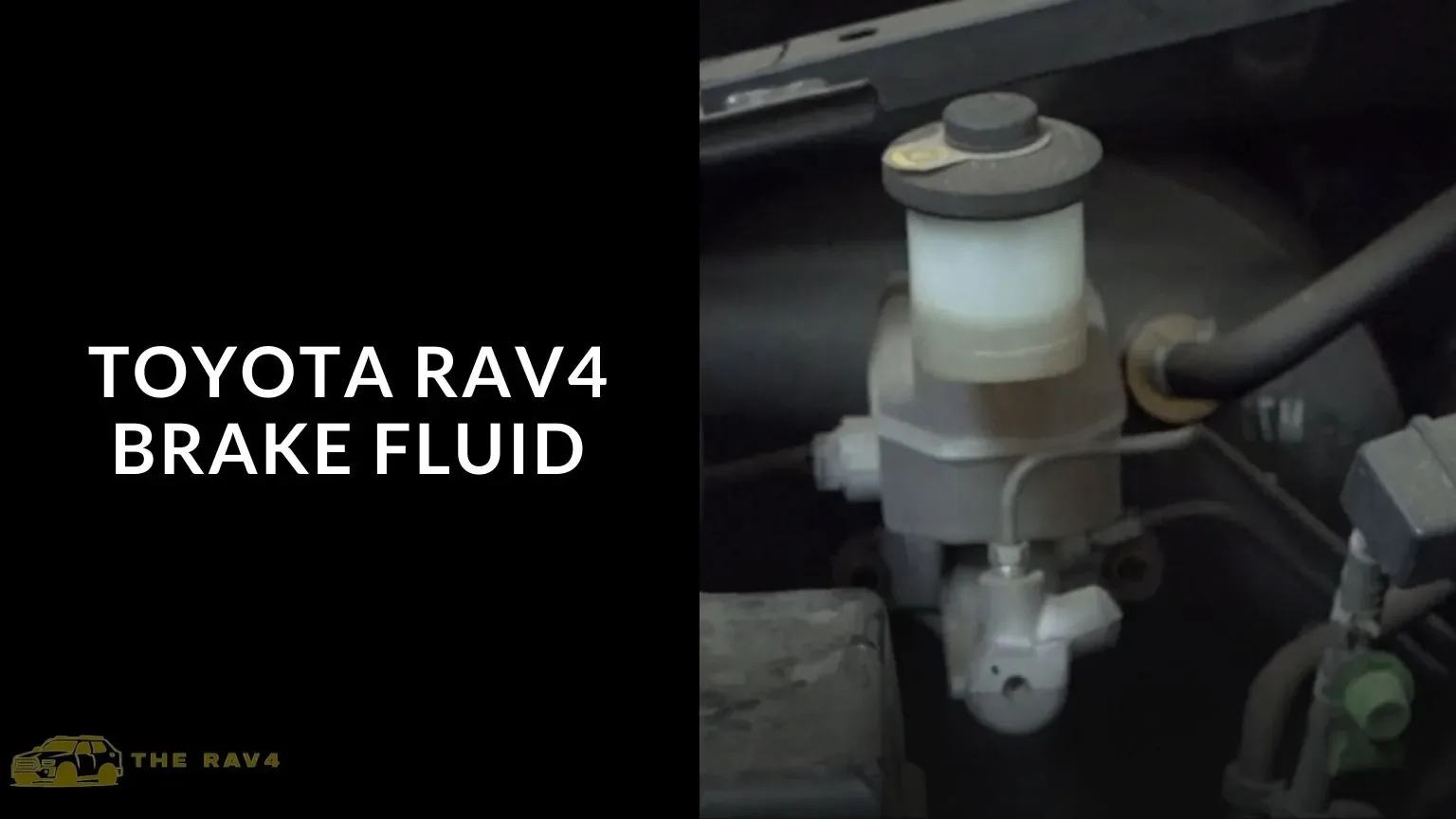
The brake fluid reservoir is located on the driver's side firewall (bulkhead separating engine compartment from cabin) near the master cylinder, typically labeled "BRAKE FLUID" with minimum and maximum level marks indicating proper fluid range. Checking level requires simply removing the reservoir cap and visually inspecting fluid position relative to marks—level should remain between minimum and maximum marks with properly functioning brake systems.
Fluid level decreases gradually as brake pads wear and caliper pistons extend further accommodating reduced pad thickness—this normal consumption shouldn't require frequent additions between pad replacements. If level drops substantially (below minimum mark) between pad services, this indicates leaks requiring immediate diagnosis and repair as brake fluid leaks represent serious safety issues potentially causing complete brake failure.
Fluid condition assessment involves visual inspection checking color and clarity, with fresh brake fluid appearing clear to light amber while contaminated fluid shows darker amber to brown coloration indicating absorbed moisture, oxidation, and contamination. However, color alone proves unreliable as some contaminated fluid remains relatively clear while some clean fluid darkens from heat exposure without serious contamination—making time-based replacement superior to condition-based assessment for determining service needs.
If checking reveals low fluid levels, topping off with correct DOT specification maintains safe operation until proper diagnosis and repair, though owners should investigate why levels dropped rather than simply adding fluid without determining cause. The cap indicates required DOT specification (DOT 3 or DOT 4)—always add specified type even when topping off though upgrading from DOT 3 to DOT 4 creates no problems if DOT 3 is unavailable.
Complete Brake Fluid Flush Procedure
Professional brake fluid flushes use pressure bleeding equipment forcing fresh fluid through the system while opening bleeder valves at each wheel, efficiently replacing old fluid with fresh throughout the entire hydraulic system including brake lines, ABS module, and all wheel cylinders/calipers. This equipment costs $200-$1,000 for quality systems making it impractical for DIYers performing occasional service on single vehicles, though some tool rental outlets provide pressure bleeders enabling DIY flushes using professional-quality equipment temporarily.
Manual brake bleeding requires an assistant operating the brake pedal while you open bleeder valves at each wheel sequencing through all four corners (typically starting at wheel farthest from master cylinder—passenger rear—and working toward closest wheel—driver front). The procedure involves pumping the brake pedal several times building pressure, holding pedal down, opening bleeder valve releasing old fluid while pedal sinks to floor, closing valve before pedal bottoms out, and repeating until fresh clean fluid appears at that wheel before moving to the next corner.
The complete flush requires 1-2 quarts of fresh brake fluid (four 12-ounce bottles) with exact amount depending on system capacity and how much fluid is lost during bleeding. Having extra fluid ensures you don't run out mid-service forcing delays or the temptation to skip thorough flushing—fluid costs $5-15 per bottle making having spare bottles trivial expense compared to incomplete service from running short.
Critical precautions during flushing include never allowing the master cylinder reservoir to run dry (constantly monitor level and refill before it empties or you'll introduce air requiring additional bleeding to remove), disposing of old brake fluid properly as environmental hazard (not in trash or down drains—most auto parts stores or oil change facilities accept waste brake fluid for proper disposal), and ensuring bleeder valves aren't seized before starting service (spray penetrating oil on stubborn valves the night before to ease opening without snapping off valve stems).
After completing the flush, verify firm pedal feel through repeated pumping with engine off—the pedal should feel firm and consistent not spongy or soft suggesting air in the system requiring additional bleeding. Test drive in a safe area (empty parking lot) confirming normal braking response before returning to regular driving, as any air remaining in the system creates dangerous reduced braking capability requiring immediate correction before the vehicle can be safely operated.
DIY Capability Assessment and Safety Considerations
Brake fluid flushing represents moderately advanced DIY maintenance requiring mechanical aptitude, proper tools (wrenches fitting bleeder valves, clear tubing for catching old fluid, containers for waste fluid), and ideally an assistant for manual bleeding making solo work difficult though not impossible with one-person bleeding kits. The consequences of incorrect service prove serious—air in the brake system creates loss of braking potentially causing accidents, while spilled brake fluid damages paint requiring immediate washing with soap and water preventing permanent finish damage.
Owners comfortable performing oil changes and basic maintenance can likely handle brake fluid flushes successfully with proper research, careful procedure following, and appropriate caution respecting the critical safety role brakes play. However, owners uncertain about their capabilities or lacking proper tools should pursue professional service rather than attempting DIY maintenance on safety-critical systems—the $100-150 professional service costs prove trivial compared to risks from incorrectly performed DIY brake work.
Professional service provides additional value through pressure bleeding equipment enabling more thorough fluid replacement than manual methods can achieve, proper ABS module bleeding procedures that DIY methods struggle to execute completely, and mechanic inspection of brake system during service potentially identifying worn pads, leaking components, or other issues requiring attention. For owners without strong DIY inclinations or proper equipment, professional brake fluid service every 2-3 years represents excellent value maintaining critical safety systems through expert service at reasonable cost.
Conclusion: Brake Fluid Service as Essential Safety Maintenance
Toyota RAV4 brake fluid maintenance represents non-negotiable safety-critical vehicle service that should never be neglected, delayed, or minimized despite manufacturer guidance suggesting extended intervals or condition-based service. The fundamental reality that glycol-based brake fluids hygroscopically absorb moisture over time means that all RAV4s require periodic complete brake fluid replacement regardless of mileage, driving patterns, or apparent fluid condition—with 2-3 year maximum intervals ensuring moisture content never reaches levels compromising brake safety through reduced boiling points or internal system corrosion.
The conservative service recommendation is 30,000-40,000 miles or 3 years maximum between complete brake fluid flushes for typical RAV4 usage in moderate climates, with more aggressive 2-year intervals for severe-duty applications (mountain driving, towing, high-performance use) or humid coastal climates accelerating moisture absorption. These intervals substantially exceed Toyota's official guidance but align with independent brake specialists' recommendations based on actual fluid performance testing showing dangerous contamination developing within these timeframes.
The cost of proper brake fluid maintenance proves trivial compared to brake system importance, with professional service typically costing $100-150 or DIY service costing $20-40 in materials amortizing to $30-75 annually for 2-3 year service intervals. This represents approximately $2.50-$6 monthly for critical safety system maintenance that prevents expensive corrosion damage ($1,000+ for caliper/cylinder replacements), maintains maximum braking performance providing shortest stopping distances, and ensures brake fade or vapor lock never compromise safety during emergency stops or extended braking scenarios.
The fundamental message: treat brake fluid as time-sensitive maintenance requiring replacement at regular intervals regardless of apparent condition or manufacturer guidance suggesting otherwise. The unmeasurable value of maximum braking safety justifies conservative maintenance schedules providing absolute assurance that brake fluid never becomes the weak link in your RAV4's safety systems.