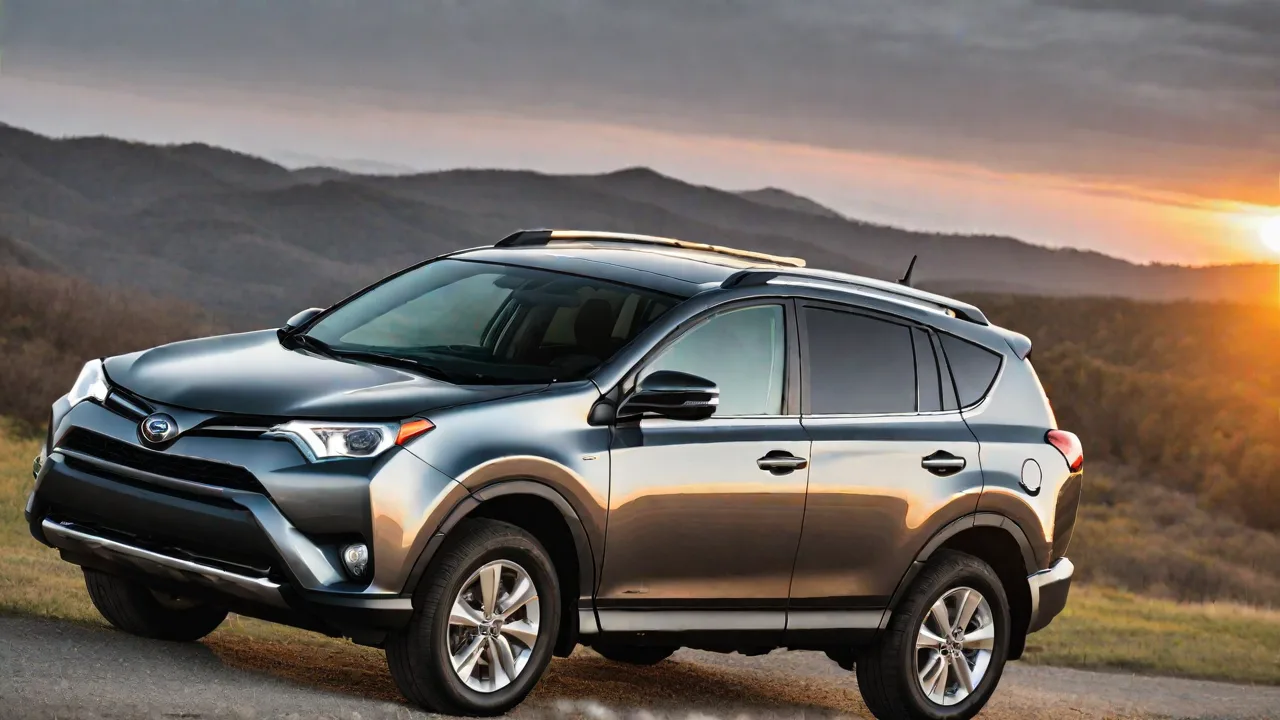
Tips for Selling Your Used Rav4 and Getting the Best Price
Understand What Today’s Buyers Want from a Used RAV4
The Toyota RAV4 has held its position as one of the most sought-after compact SUVs for years, blending reliability, fuel economy, and practical cargo space. Before you list yours, take time to understand what makes your specific generation appealing. Early fourth-generation models (2013–2018) are prized for their durable powertrains and spacious cabins, while the fifth generation (2019–present) attracts buyers with advanced driver-assistance features and bold styling. Highlighting these strengths in your listing can instantly set your vehicle apart and give you leverage when pricing it at the upper end of the market range.
Build a Service Record That Speaks for Itself
A thick folder of maintenance receipts tells a buyer that your RAV4 was treated like a long-term investment. Before snapping photos or writing a description, gather every oil-change receipt, tire-rotation record, and repair invoice. If you’ve performed work at a dealership, request a service- history printout. For those who do their own maintenance, create a simple spreadsheet listing dates, mileage, and the work performed. This documentation isn’t just about proving regular care—it can also justify a higher asking price because it reduces the buyer’s perceived risk. When a shopper sees records showing consistent oil changes every 5,000 miles and a recent transmission fluid exchange, they’re far less likely to haggle aggressively on price.
How to Present Digital Records
Scan or photograph your paperwork and store it in a cloud folder. Share a link in your advertisement so potential buyers can review the vehicle’s history before they even contact you. This transparency builds trust and filters out unserious shoppers who might waste your time. If a buyer still prefers hard copies, have a neatly organized binder ready for the in-person meeting. A complete history can also help you push back against lowball offers that claim the car will need immediate maintenance.
Perform a Pre-Sale Mechanical Check
Even a well-maintained RAV4 can have hidden issues that a savvy buyer’s mechanic will uncover during a pre-purchase inspection. Address these problems on your own terms to avoid last-minute price reductions. Start with the basics: check all fluid levels, test the battery with a voltmeter, and listen for unusual noises from the engine, suspension, or brakes. Pay special attention to items that wear predictably—brake pads, tires, and the serpentine belt. If your model is equipped with all-wheel drive, verify that the drivetrain engages smoothly and that there are no leaks from the transfer case or rear differential.
For vehicles with higher mileage, consider a compression test to demonstrate engine health, or replace aging spark plugs before the sale. A small investment of $200–$400 in preventative upkeep can often return $1,000 or more in final sale price because it removes a buyer’s primary fear: unknown repair costs. If you aren’t comfortable doing a mechanical check yourself, pay a trusted independent mechanic for a pre-sale inspection. You can then include the clean report in your advertising materials, positioned as a no-surprises guarantee.
Cosmetic Fixes That Pay for Themselves
Cosmetic imperfections may seem minor, but they influence a buyer’s emotional response far more than many sellers realize. A deep scratch on the rear bumper or a cracked mirror housing can create the impression that the vehicle was neglected, even if the engine bay is immaculate. Walk around your RAV4 with a critical eye and address the most visible blemishes. Paintless dent repair services often remove door dings for under $100 per panel, while touch-up paint can hide small stone chips. For scuffed alloys, consider a wheel-repair kit or a professional refinishing service. Inside, replace missing knobs, covers, or broken trim pieces; Toyota parts are often available affordably through online retailers or local salvage yards.
Don’t underestimate the power of fresh floor mats and a clean headliner. If your driver’s seat shows bolster wear, a quality leather or fabric repair kit can restore it enough to avoid turning off picky buyers. These small fixes signal that you cared about the vehicle down to the last detail, and that level of care tends to translate into a higher sale price.
Professional-Grade Detailing: More Than a Wash
Detailing goes beyond a run through the automatic car wash. It involves removing every trace of daily life from the interior, polishing the paint to a high gloss, and restoring clarity to headlights. Headlight oxidation is a common issue on older RAV4 models, and a foggy lens makes the entire vehicle look tired. A $20 restoration kit can transform the front-end appearance in an afternoon. When cleaning the interior, pull out the rear seats where possible to vacuum forgotten crumbs and pet hair. Use a steam cleaner on cloth upholstery and condition all leather surfaces. Don’t forget the often-overlooked areas: door jambs, trunk gutters, and the spare-tire well. A vehicle that smells clean and looks cared for triggers a powerful emotional response that many buyers won’t try to haggle down.
Pricing Your RAV4 with Data, Not Emotion
Sellers often overvalue their vehicles because of personal attachment, while buyers fixate on blue-book numbers. To find the sweet spot, gather data from multiple sources. Start with Kelley Blue Book, Edmunds, and NADAguides to understand the private-party value range for your trim, year, and mileage. Then check live listings on Autotrader, Cars.com, and Facebook Marketplace to see what comparable RAV4s are actually listed for—not what they sold for. Pay attention to how long those listings have been live. Vehicles that sit for weeks are likely overpriced, giving you a clue about the market’s ceiling.
Next, narrow your search to a 50-mile radius, because local market conditions heavily influence what buyers will pay. A four-wheel-drive RAV4 in a snowy region often commands a premium, while the same model in a warm climate may not. Once you have a realistic range, set your initial asking price slightly above the figure you’d be happy to accept, typically 5–10% higher. This leaves room for negotiation while still attracting attention. A price that’s too high will repel buyers before they even click on your ad.
Use Free Pricing Tools Strategically
- Kelley Blue Book: kbb.com provides trade-in and private-party estimates.
- Edmunds Appraisal Tool: edmunds.com/appraisal factors in condition and options.
- Carfax History-Based Value: carfax.com/value adjusts price based on reported accidents and maintenance.
Writing a Description That Sells the Experience
A vague, one-sentence description undermines even the best photos. Instead, craft an ad that tells a story of reliability and readiness. Lead with the year, trim, and mileage, then immediately address the most common concerns: accident history, maintenance highlights, and reason for selling. For example: “Single-owner 2017 RAV4 XLE with only 62,000 miles. All service completed at Toyota dealership, including new tires and brakes at 55k miles. Selling because we upgraded to a family hauler.”
Use the body of the description to list factory features that buyers actively search for, such as blind-spot monitoring, adaptive cruise control, Apple CarPlay, or a panoramic roof. If your RAV4 has rare options like a tow package, heated steering wheel, or the 360-degree camera system, call them out. End the listing with a clear call to action: “Clean title in hand, ready for a test drive. Contact me with any questions or to schedule a time to see it.” This direct approach filters out time-wasters and attracts serious, cash-ready buyers.
Photography Tactics That Drive Higher Offers
Professional-looking photos are non-negotiable in a market where buyers scroll through dozens of listings daily. Shoot on an overcast day or during the golden hour to avoid harsh reflections. Capture at least 25 photos: front and rear three-quarter angles from both sides, straight-on front and rear, close-ups of wheels and tires, a dashboard shot showing the odometer, full interior coverage including rear seats and cargo area, the engine bay, and a photo of the key fob next to the owner’s manual. For the interior, turn on all displays to prove they work and place the steering wheel in a level position to show no alignment pull.
If you list on multiple platforms, tailor the first image to each site’s requirements—Facebook Marketplace favors vertical shots, while Autotrader needs horizontal images. Always include a shot of the VIN sticker (typically on the driver’s door jamb) to signal transparency. A clean, well-lit engine bay photo can reassure buyers that there are no leaks, and a tread-depth gauge placed against a tire adds visual proof of remaining life.
Choosing the Right Platforms for Maximum Exposure
Where you list your RAV4 directly affects the quality and quantity of inquiries. For a quick, local sale, Facebook Marketplace and OfferUp reach millions of active buyers, but you’ll need to wade through more lowball offers. If you’re willing to pay a nominal fee, Autotrader and Cars.com bring a more serious audience that is actively shopping for vehicles rather than casually browsing. Craigslist remains viable in certain regions, though its traffic has declined. For niche exposure, consider Toyota-specific forums or the RAV4 subreddit, where enthusiasts may pay a premium for a well-documented example.
If your vehicle is exceptionally clean and low-mileage, and you’re not in a rush, try Bring a Trailer or Cars & Bids. These auction platforms attract collectors and enthusiasts who often bid above market value for pristine examples. Whatever platform you pick, keep your listing fresh by updating the mileage weekly and tweaking the description if it isn’t generating enough interest.
Handling Test Drives and Buyer Meetings Safely
Safety isn’t just about protecting yourself; it also affects a buyer’s comfort level. Schedule meetings during daylight hours in well-populated public places—shopping mall parking lots, police station exchange zones, or busy coffee-shop lots. Accompany the potential buyer on the test drive rather than handing over the keys. This isn’t just a safety measure; it gives you the chance to highlight features in real time, explain any quirks, and answer questions immediately.
Before the drive, verify that the buyer has a valid driver’s license and proof of insurance. Some sellers prefer to take a photo of the license with their phone. While this may feel intrusive, serious buyers rarely object. During the drive, let the vehicle speak for itself but be ready to point out the smooth transmission shifts, confident braking, and quiet cabin. After the test drive, allow the buyer to inspect the vehicle at their own pace, and be prepared to discuss the service records you’ve assembled.
The Art of Negotiating Without Giving Away Value
Expect every buyer to haggle. Rather than seeing negotiation as a confrontation, treat it as a collaborative effort to reach a fair price. When you’ve priced your RAV4 based on solid research, most offers will cluster near your asking price. If a buyer opens with a low figure, don’t react emotionally. Instead, calmly reference the vehicle’s condition, recent maintenance, and completed inspection report. You might say, “I understand your offer, but given the new tires and the complete service history, I’m confident the asking price reflects the vehicle’s real value. I’m flexible within reason, but I can’t come down that far.”
Use the “walk-away” card sparingly. If a buyer won’t budge from an unrealistic number, politely end the conversation and follow up a day later only if you haven’t received better offers. Often, scarcity works in your favor—multiple interested buyers will force fence-sitters to act. And never lower the price simply because a buyer demands it; do so only if you’ve gathered new market information that objectively justifies a price reduction.
Smart Payment Methods and Avoiding Scams
Accept cash for transactions under a few thousand dollars. For larger amounts, insist on a cashier’s check drawn on a local bank, and accompany the buyer to that bank to witness the check being issued. Mobile payment apps like Zelle or Venmo can work for a deposit, but they lack the consumer protections of traditional banking methods for final payments. Never accept a personal check or agree to a payment plan. Wire transfers should be verified with your bank before you release the vehicle. Watch for common scams: overpayment schemes, requests to ship the vehicle overseas, or buyers who pressure you to complete the sale without a test drive. A legitimate buyer will respect reasonable requests and won’t rush you into a decision.
Closing the Deal with Proper Paperwork
An incomplete transfer can leave you legally tied to a vehicle you no longer own, so handle this final step meticulously. Have a bill of sale ready that includes the VIN, sale price, date, buyer and seller names, and signatures. Most states provide a printable bill-of-sale template on their DMV website. Sign over the title exactly as your name appears on it, and avoid leaving any fields blank. Remove your license plates—rules vary by state, but keeping them protects you from parking tickets or toll violations incurred by the new owner.
After the sale, immediately cancel your insurance coverage and notify your state’s DMV of the transfer, as required by law. Some states allow you to complete a release-of-liability form online. Doing this within the required timeframe (often 5–10 days) ensures you aren’t held responsible for future incidents involving the vehicle.
Bonus Tips That Add Hundreds to Your Final Price
- Include a pre-purchase inspection report: A printout from a trusted shop removes guesswork and can shut down nit-picky negotiation.
- Bundle in winter or all-weather mats: Practical extras make the vehicle feel turnkey.
- Provide a clean CARFAX report: Buyers crave peace of mind, and a report from Carfax.com can back up your claims.
- Time the sale strategically: Spring and early summer tend to see higher demand for SUVs, while year-end holidays bring fewer active buyers.
- Offer a limited post-sale warranty: Through a third-party service, you can offer a 30-day powertrain warranty for a modest fee, making your listing stand out and justifying a premium price.
When to Cut Your Losses and Trade In
Despite your best efforts, a private sale may not always be the most profitable route. If your RAV4 needs significant mechanical work or has a branded title (salvage, rebuilt, flood), the pool of private buyers shrinks dramatically. In these cases, obtain buy-bid quotes from CarMax, Carvana, or local dealerships. Often these instant-offer services pay surprisingly close to what a distressed private sale would yield, with far less hassle. Weigh the time you’ll save against the potential extra dollars you might earn. If the difference is marginal, trading in might be the smarter financial move once you factor in advertising costs, your own labor, and the emotional toll of dealing with unreliable buyers.
By combining thorough preparation, data-driven pricing, compelling marketing, and disciplined negotiation, you can extract the maximum value from your used RAV4 and walk away with a transaction you’ll feel good about. The key is to remember that buyers aren’t just purchasing a vehicle; they’re purchasing confidence. Give them every reason to feel confident, and your asking price becomes a small detail rather than a sticking point.